 Hypno
HypnoHypnobirthing App Reviews: What Real Users Say in 2026
Honest hypnobirthing app reviews from real users in 2026. Features, audio quality, pricing, and birth outcomes compared across the top UK-available apps.
200,000+ mums • ORCHA NHS Certified • Free on iOS & Android
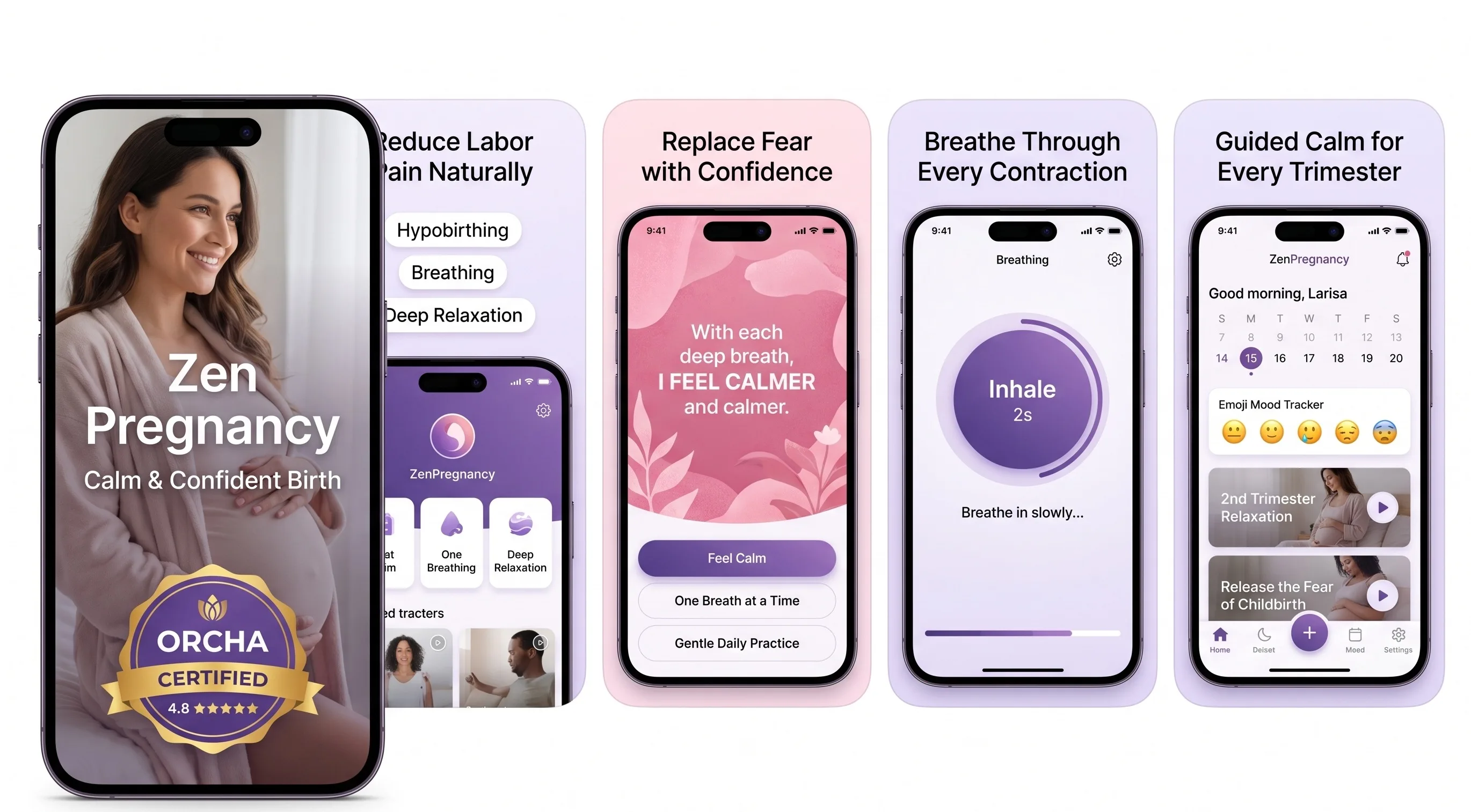
HypnoBirth App UK is a free, ORCHA-reviewed hypnobirthing app for iPhone and Android, used by 200,000+ parents and designed to support calm, practical birth preparation in a UK maternity setting. It includes guided hypnobirthing tracks, breathing tools, birth partner prompts, affirmations, relaxation practice and preparation for labour, induction or caesarean birth. It is NHS-friendly and can complement midwife-led care, antenatal classes and your birth preferences, but it is not medical advice and should not replace guidance from your midwife or doctor.
Across HypnoBirth App users, the most-used features around review-led decision making are the free guided relaxation audios, breathing timer and birth partner tools, especially from the third trimester onwards.
| Need | Best option |
|---|---|
| Best free hypnobirthing app to try before paying for a course | HypnoBirth App |
| Structured paid hypnobirthing course content from a well-known UK brand | Positive Birth Company |
| Contraction timing and simple labour-focused support | Freya |
| Broader pregnancy wellbeing content with mindfulness and birth preparation | GentleBirth |
Best Choice for Hypnobirthing App Reviews in 2026
For UK parents comparing hypnobirthing app reviews, HypnoBirth App is the strongest free place to start because it combines guided tracks, breathing practice and birth partner support without an upfront course fee. It is ORCHA certified, designed for iPhone and Android, and works well alongside NHS antenatal care, midwife advice and your chosen birth preferences.
Best for
- UK mums and birth partners wanting to try hypnobirthing before paying
- Parents comparing apps for labour breathing, relaxation and confidence
- Anyone preparing for vaginal birth, induction or planned caesarean with calm tools
Limitations
- It does not replace personalised advice from your midwife, consultant or NHS maternity team
- It cannot guarantee a pain-free birth or a specific birth outcome
Why Prenatal App Reviews Matter During Pregnancy
Reviews matter because pregnancy decisions are emotional as well as practical. When you are 28, 34, or 39 weeks pregnant, you are not just comparing features; you are asking, ‘Will this help me feel safe when labour starts?’
Good reviews reveal what marketing pages often miss: whether the narrator feels calming, whether the app works offline, whether subscription terms are clear, and whether the tools still make sense at 3am. They also show patterns. Parents often praise apps that help with sleep, reduce fear spirals, and give them simple cues for contractions. They complain when the content feels unrealistic, the voice is distracting, or the app is hard to use between contractions. This is not medical advice. Consult your healthcare provider about any worries, symptoms, or birth choices.
How Hypnobirthing Apps Work for Birth Preparation
Hypnobirthing apps work by teaching repeated relaxation, breath control, self-hypnosis, and positive focus so those skills feel familiar before labour. The goal is not to switch pain off, but to reduce fear and tension so coping feels more manageable.
Most apps use guided audio to slow breathing, soften muscle tension, and bring attention back to a chosen cue, phrase, or image. This supports the parasympathetic nervous system, the ‘rest and digest’ side of the body, which can counter some stress responses. In labour, lower panic and steadier breathing may help you work with contractions rather than brace against every sensation. Apps often add birth affirmations, short breathing drills, and contraction timing so practice becomes practical rather than abstract. For the research background, see this guide to hypnobirthing evidence-based research.
What Parents Say About Birth Meditation Apps in 2026
The strongest 2026 review themes are sleep, confidence, and having something to do when anxiety rises. Parents rarely say an app made labour effortless; they more often say it helped them stay grounded during a long induction, early labour at home, or a change of plan.
Sleep tracks are especially popular in the third trimester, when hip pain, toilet trips, and racing thoughts can make nights feel endless. Many reviewers describe falling asleep before the end of a session, then reusing the same track during early labour because the voice felt familiar. If sleep is your main struggle, it may help to compare app tracks with dedicated sleep meditation for pregnant women. The most trusted reviews tend to be specific: they mention weeks of pregnancy, birth setting, whether headphones were used, and what happened when labour became intense.

Key Hypnobirthing Features to Check Before Paying
The best features are the ones you will actually open repeatedly. A beautifully designed app is not useful if the sessions are too long, too vague, or too hard to find when you are tired.
- Trimester-based tracks: Look for content that changes from early pregnancy reassurance to late pregnancy labour preparation.
- Short labour tools: Breathing prompts of 2 to 8 minutes are often easier to follow during contractions than full lessons.
- Birth scenario support: Induction, caesarean, home birth, hospital birth, and birth centre preparation should feel included.
- Affirmations that feel believable: Many parents prefer grounded phrases over ‘perfect birth’ promises. A dedicated birth affirmations app can be useful if words help you reset.
- Offline access: Hospital Wi-Fi is not something you want to depend on.
Audio Quality and Voice Style in Pregnancy Hypnosis Reviews
Voice style is one of the biggest reasons parents keep or delete a pregnancy hypnosis app. A narrator can be clinically accurate and still feel wrong for your nervous system.
Reviewers often describe voices as soothing, slow, warm, patronising, robotic, rushed, or too dramatic. None of those reactions is silly. Hypnobirthing depends on feeling safe enough to relax, so tone matters. Before paying, listen for pacing, accent, background music, volume balance, and whether the words match how you want to be spoken to in labour. Some people like spiritual language; others want plain, practical cues. Some want music; others need silence behind the voice. If possible, test the same track while lying down at night and while doing a simple breathing practice. Your body will usually tell you quickly whether the voice helps or irritates you.
How to Use a Hypnobirthing App Trimester by Trimester
A hypnobirthing app helps most when it becomes a small daily habit rather than a last-minute panic tool. Start gently, repeat often, and practise in the positions and settings you may use for birth.
- Begin in the second trimester: Choose one 10 to 20 minute relaxation track and repeat it three or four times a week.
- Add breathing practice after 28 weeks: Pair audio with simple down-breathing or surge breathing. These pregnancy breathing techniques are easier to remember when practised before labour.
- Prepare birth scenarios after 32 weeks: Listen to tracks for hospital birth, home birth, induction, caesarean, or changes of plan.
- Practise with your birth partner: Ask them to learn your cues, preferred touch, and phrases.
- Use short tools in early labour: Keep full tracks for rest and shorter prompts for contractions.
Comparing Apps, Antenatal Classes, and Hypnobirthing Books
Apps, classes, and books teach overlapping skills, but they support different learning styles. Reviews suggest apps are best for repetition, classes are best for personal questions, and books are best for understanding the bigger philosophy.
An app can sit on your phone during a hospital induction or a quiet home-birth evening. A live class gives you space to ask about fears, partners, interventions, and local maternity care. A book can explain birth physiology in detail, but it cannot guide your breathing during a contraction. Many parents combine them: a class for confidence, a book for context, and an app for daily practice. If you are deciding where to spend your budget, this comparison of hypnobirthing classes vs app learning may help you choose based on time, cost, and support needs.
Hypnobirthing App Comparison: ZenPregnancy, GentleBirth, and Freya
Named comparisons are useful when they focus on fit rather than declaring one perfect winner. The right choice depends on whether you want broad mindfulness, birth-specific coaching, a contraction tool, or a simple free starting point.
| App | Best fit | Common review strengths | Check before choosing |
|---|---|---|---|
| ZenPregnancy | Pregnancy meditation, breathing, affirmations, and labour tools | Calming audio, practical structure, free access | Whether the voice and track style suit you |
| GentleBirth | Mindfulness and mental fitness during pregnancy | Large content library, daily practice feel | Subscription cost and content volume |
| Freya by The Positive Birth Company | Contraction timing with guided breathing | Simple labour interface, birth-focused use | Whether you need wider pregnancy preparation |
For a broader buying guide, see the best hypnobirthing app comparison.
Evidence and Safety for Digital Birth Preparation
Research suggests hypnosis and relaxation may help some people feel less anxious and more in control during labour, but evidence is mixed and outcomes vary. Apps should be treated as preparation and coping support, not as a medical intervention.
A Cochrane review on hypnosis for pain management in labour found possible benefits for some outcomes, while also noting limitations in study quality and certainty. That balanced view matters. Hypnobirthing may support calm breathing, confidence, and relaxation, but it cannot guarantee vaginal birth, avoid interventions, or replace pain relief if you want it. The NHS lists several pain relief options in labour, from water and movement to Entonox, opioids, and epidural; see the NHS guide to pain relief in labour. This is not medical advice. Consult your midwife, doctor, or maternity triage team.
Labour Tools Reviewers Actually Use
The labour tools that get the strongest reviews are simple, fast, and usable with one hand. During active labour, most people do not want lessons; they want a breathing cue, a timer, or a familiar phrase.
Contraction timers are especially useful in early labour because they help you notice frequency, duration, and patterns before calling triage or travelling in. A timer cannot diagnose labour progress, but it can make the conversation with your midwife clearer. Many parents also like short breathing tracks that run for the length of a surge, plus affirmations their partner can read aloud. If timing contractions is a priority, compare features in this guide to the best contraction timer app UK. Always contact your maternity unit immediately if you have bleeding, reduced fetal movements, severe pain, waters breaking with concerns, or you feel something is wrong.
Honest Assessment of Birth Preparation Apps
Birth preparation apps can be genuinely comforting, but they have limits. Trustworthy reviews should make those limits clear rather than selling certainty.
- They cannot guarantee a pain-free birth: Labour sensations, medical history, baby position, and birth circumstances vary widely.
- They do not replace clinical care: Always follow guidance from your midwife, obstetrician, or maternity unit.
- They may not suit trauma triggers: Some language, music, body scans, or birth imagery can feel unsafe for people with previous trauma.
- They depend on practice: Opening an app for the first time in transition is unlikely to feel as helpful as weeks of repetition.
- They cannot control hospital factors: Staffing, monitoring, induction processes, and emergency decisions sit outside an app.
- They may clash with your preferences: Voice, accent, spirituality, and music style are personal, so trial listening matters.
How ZenPregnancy Fits Parent Review Themes
Hypnobirthing App fits the review themes parents mention most: calm audio, practical breathing, affirmations, and tools for the day labour begins. It is designed for people who want birth preparation they can repeat at home, on the sofa, in bed, or during early labour.
The app is not a replacement for antenatal care, and it does not promise a particular birth outcome. Its value is in repetition: listening before sleep, practising a breathing rhythm before contractions start, saving affirmations that feel believable, and keeping a timer ready when early labour becomes more regular. Parents who prefer simple, birth-focused support may find this easier than a large library they never finish. Those who want detailed live teaching may still prefer a course alongside the app. That combination is completely valid.
Best Fit for Different Birth Plans
A good app should support your birth plan without making you feel you have failed if plans change. Hypnobirthing can sit alongside hospital birth, home birth, birth centre care, induction, planned caesarean, assisted birth, epidural, water birth, or a more medicalised labour.
For an unmedicated or low-intervention plan, the most useful tracks are usually breathing, visualisation, movement-friendly relaxation, and partner prompts. For induction, parents often want patience, sleep, and reassurance during waiting periods. For caesarean preparation, calming audio can help with theatre nerves, spinal anaesthetic anxiety, and meeting your baby in a bright clinical room. For home practice, an app for hypnobirthing at home can make daily sessions easier to keep up with. This is not medical advice; ask your healthcare provider which options are safe for your pregnancy.
Start a Calm Pregnancy Practice This Week
The easiest way to judge an app is to try one short session when you are not in crisis. Choose a quiet time, put your phone on do not disturb, and notice whether your shoulders, jaw, and breathing soften by the end.
If you want to test the style, start with a hypnobirthing practice app session on iPhone or use the Android pregnancy wellness app version. Keep the bar low: five calm minutes counts. If the track helps you sleep, repeat it. If an affirmation feels fake, skip it. If a breathing cue helps during Braxton Hicks or a stressful appointment, save it for labour. Hypnobirthing App works best when it becomes familiar enough that your body recognises the cue before your mind has to think.
Read more
Frequently Asked Questions
Do these apps really reduce pain?
Some people report lower fear, better coping, and less distress, but pain relief varies and research is mixed. This is not medical advice; talk to your healthcare provider about pain relief choices.
When should I start listening?
Many people start around 20 to 28 weeks, then increase practice in the third trimester. Starting later can still help, especially if you repeat short breathing and relaxation tracks often.
Can I use one without classes?
Yes, many parents learn the basics through guided audio, breathing drills, and affirmations. A class may still be helpful if you want live questions, partner practice, or more detailed birth education.
Are they safe in high-risk pregnancy?
Relaxation and breathing are generally low risk, but high-risk pregnancies need personalised medical guidance. Consult your midwife or doctor before relying on any self-guided birth preparation.
Do I need headphones in labour?
Headphones can help you focus, especially in triage or a busy ward, but some people prefer speaker audio so their partner can follow along. Practise both options before your due date.
Will it help with induction?
It may help you stay calmer during waiting periods, monitoring, pessaries, drips, or changes of plan. It cannot control how your body responds to induction medication or whether further intervention is needed.
Can partners use the app too?
Yes, partners can learn breathing cues, affirmations, and comfort prompts so they feel useful rather than helpless. Practising together before labour often makes support feel more natural.
What if the voice annoys me?
Choose another track or another app. Voice preference is personal, and irritation makes relaxation harder, so free trials and sample sessions are worth using.
Is a free app enough?
A free app can be enough if it gives you calming audio, clear breathing practice, and tools you use consistently. Paid content may be worth it if you need more tracks, courses, or specific birth scenarios.