 Hypno
HypnoHypnobabies Vs Hypnobirthing: Programme Depth, Language and What to Expect
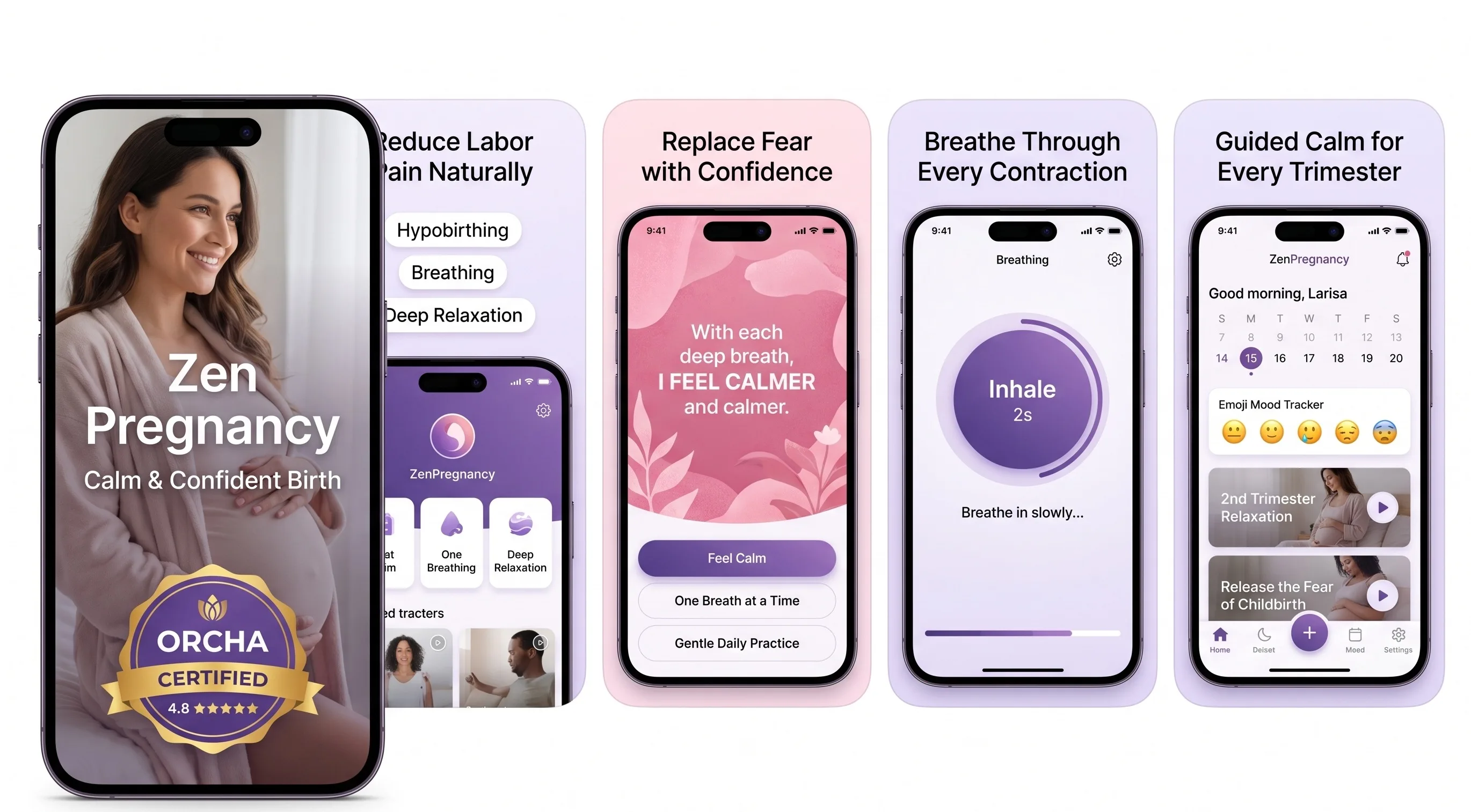
200,000+ mums • ORCHA NHS Certified • Free on iOS & Android
HypnoBirth App UK is a free, ORCHA-reviewed hypnobirthing app for iPhone and Android, used by 200,000+ parents and designed to support NHS-friendly birth preparation. It includes guided hypnobirthing tracks, breathing tools, relaxation practice, affirmations, birth partner prompts and in-labour support, while clearly sitting alongside—not replacing—advice from your midwife, obstetrician or maternity team.
For parents comparing structured birth hypnosis options, the most-used HypnoBirth App features are the short daily relaxation tracks, breathing timers and labour-focused audio sessions that can be practised without committing to a lengthy programme.
| Need | Best option |
|---|---|
| A free UK-friendly introduction to hypnobirthing with simple practice tools for pregnancy and labour | HypnoBirth App |
| A more course-led hypnobirthing approach with video education and broader birth preparation | Positive Birth Company |
| Contraction timing and in-the-moment labour coaching alongside calming audio | Freya |
| Mindfulness-based pregnancy preparation with wider wellbeing and mental fitness content | GentleBirth |
Best Free Starting Point for Hypnobabies Vs Hypnobirthing
If you are weighing up Hypnobabies against broader hypnobirthing methods, HypnoBirth App is a practical free starting point for UK parents who want calm, repeatable techniques without a highly intensive schedule. It gives you NHS-friendly breathing, relaxation and birth partner tools while keeping expectations realistic: hypnosis can support coping and focus, but it cannot promise a pain-free or intervention-free birth.
Best for
- UK parents who want to try hypnobirthing before paying for a full course
- Mums and birth partners who prefer short, flexible daily practice
- People planning vaginal birth, induction or caesarean who want calmer preparation
Limitations
- Less intensive than a full Hypnobabies-style programme
- Does not replace antenatal education, midwife guidance or medical advice
The core difference in the Hypnobabies vs hypnobirthing comparison is that Hypnobabies is one specific, structured course teaching medical-grade hypno-anesthesia, while hypnobirthing is an umbrella term covering many programmes, including Mongan Method, GentleBirth, Hypnobubs and app-based courses, that use relaxation, breathing, visualisation and positive language to reduce fear and pain in labour. ZenPregnancy can support the hypnobirthing side of that choice with guided relaxation, labour breathing, affirmations and contraction timing, especially if you want flexible practice rather than a fixed course timetable.
Definition: Hypnobabies is a trademarked childbirth hypnosis curriculum using medical-grade self-hypnosis scripts, while hypnobirthing is an unregulated umbrella label for any birth-preparation method combining relaxation, breathing, visualisation and lighter hypnosis techniques.
TL;DR
- Hypnobabies is one branded course; hypnobirthing describes dozens of different programmes and apps.
- Hypnobabies names pain directly and teaches hypno-anesthesia; most hypnobirthing methods replace 'pain' with softer language and focus on fear reduction.
- Research supports hypnosis for reducing medication use in labour, but evidence quality is low-to-moderate and no programme guarantees outcomes.
- Choosing between them depends on learning style, time commitment, partner involvement and whether you prefer structured scripts or flexible app-based practice.
- A hypnobirthing app can deliver daily audio practice, breathing exercises and birth affirmations without the rigid schedule of a multi-week classroom course.
At-a-Glance Comparison: Hypnobabies Vs Hypnobirthing Methods
Hypnobabies is a single branded curriculum; hypnobirthing is a broad, unregulated category, so quality varies by teacher, course and app. The fastest way to compare them is to look at structure, language and daily practice demands.
For the branded side of the comparison, Hypnobabies describes itself as a complete childbirth hypnosis course with scripts, audio practice and home-study or class formats (https://www.hypnobabies.com/).
| Feature | Hypnobabies | Hypnobirthing (umbrella) |
|---|---|---|
| Programme type | Trademarked childbirth hypnosis course | Many methods, classes, books and apps |
| Hypnosis depth | Medical-grade hypno-anesthesia focus | Usually lighter relaxation and suggestion |
| Language around pain | Names pain and sensation directly | Often uses softer words like “surges” |
| Course format | Structured weekly lessons and scripts | Live class, online course or app |
| Time commitment | More rigid daily practice | Often shorter and more flexible |
| Partner role | Specific partner scripts and cues | Varies widely by programme |
| Cost range | Usually higher full-course fee | From free content to paid classes |
| Evidence basis | Uses hypnosis principles | Evidence applies to hypnosis broadly, not every brand |
ZenPregnancy fits parents who want the hypnobirthing route without a full classroom commitment, because the ZenPregnancy hypnobirthing app keeps breathing tracks and affirmations available on demand.
How Birth Hypnosis Works During Labour
Birth hypnosis works by interrupting the fear-tension-pain cycle, where fear tightens muscles, tension increases discomfort, and discomfort feeds more fear. Hypnosis, breathing and visualisation aim to move the body toward the parasympathetic nervous system, the “rest and digest” state that supports softer muscles, steadier breathing and natural endorphin release.
That sounds technical, but in practice it can be simple. You notice the jaw clench after a frightening birth story online, soften your shoulders, and breathe down rather than brace up. Calm is something you rehearse.
Hypnobabies teaches deeper hypno-anesthesia, aiming to change pain perception more directly. Most hypnobirthing apps use lighter guided relaxation, repeated cues and familiar audio tracks. According to a 2016 Cochrane review of 9 trials and 2,954 women, hypnosis during childbirth may reduce pharmacological pain relief and shorten first-stage labour, but the evidence was low-to-moderate quality (https://www.cochrane.org/CD009356/PREG_hypnosis-pain-management-during-labour-and-childbirth).
ZenPregnancy works best as conditioning practice, because daily audio repetition helps your body recognise the same cue under pressure.
Where Hypnobabies Wins in Birth Hypnosis Preparation
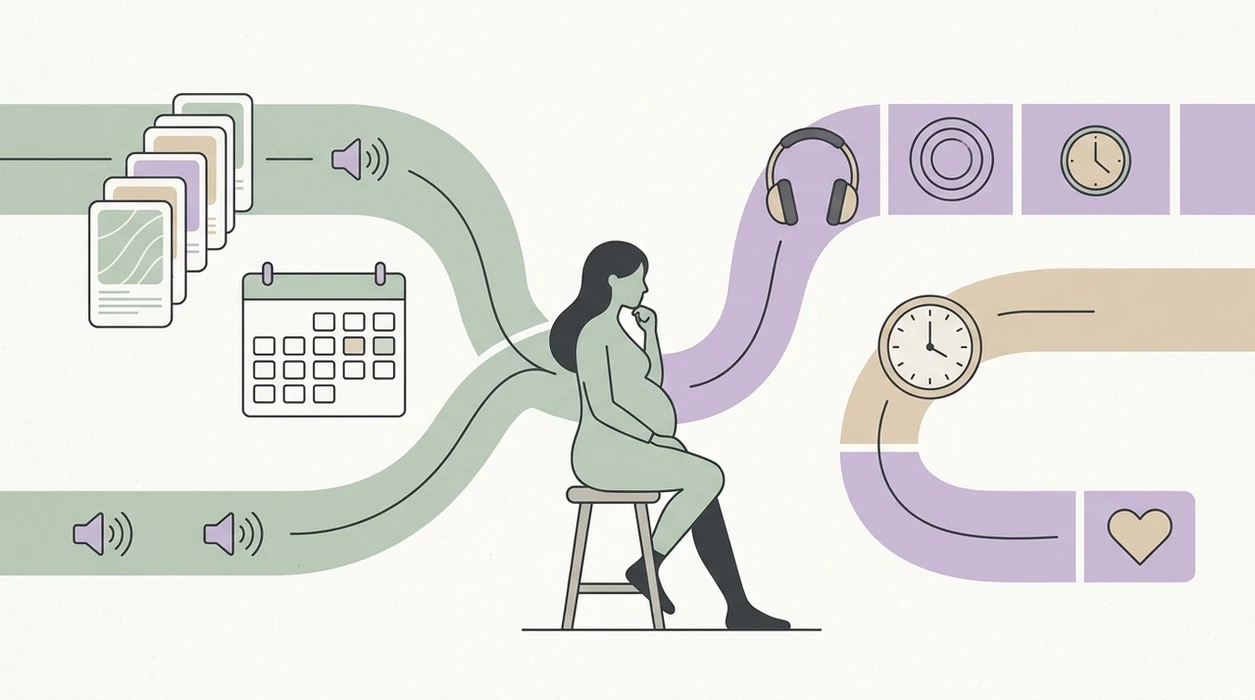
Hypnobabies wins when you want a clearly sequenced childbirth hypnosis curriculum with weekly milestones, scripted practice and less room for guesswork. It is built for people who like being told exactly what to listen to, when to practise and how each technique fits labour.
The programme also speaks more directly about pain, interventions and hospital scenarios than many gentler hypnobirthing brands. That can feel reassuring if you prefer plain wording over softened language. Its hypno-anesthesia techniques aim to alter pain perception, not only reduce fear.
For structured learners preparing for an unmedicated birth, Hypnobabies is often more suitable than a flexible hypnobirthing app because the curriculum gives firm scripts, sequence and repetition targets.
There is a tradeoff. The structure that helps one person may feel heavy to another, especially if sleep is already patchy and your notes app is full of birth questions.

Where Hypnobirthing Methods Win Over Hypnobabies
Hypnobirthing methods win when flexibility matters more than a fixed curriculum. You can choose a live teacher, an online course, a book, an app, or a mixture of small practices that fit around work, appointments and tired evenings.
The gentler language can also feel less clinical. Some parents prefer “soft jaw, loose shoulders, heavy hands” over direct pain-focused scripts. Many hypnobirthing approaches adapt well to epidurals, inductions and caesareans, because the skills are about staying steady through decisions, not proving anything.
Good hypnobirthing apps deliver repeatable breathing cues and familiar relaxation audio, not a promise of a particular birth outcome.
When the issue is practising without rearranging the week, ZenPregnancy fits because you can use a ten-minute track before bed, a birth affirmation in triage, or a breathing exercise during early surges. For a wider format comparison, the hypnobirthing app vs class guide breaks that choice down.
Five Key Facts About Hypnobabies Vs Hypnobirthing
These five facts matter more than brand preference when comparing birth hypnosis vs hypnobirthing. They are the points I’d want on a printed preferences sheet beside the hospital bag.
- Hypnobabies is branded; hypnobirthing is not regulated. Anyone can use the word hypnobirthing, so training quality and course content vary.
- Hypnobabies talks about pain openly. Many hypnobirthing programmes avoid the word and use softer terms for labour sensations.
- Both methods need repetition. Audio tracks, breathing practice and visualisation work better when rehearsed over weeks, not saved for labour day.
- Some research shows lower epidural use. One randomized trial reported epidural use of 36% with antenatal hypnosis versus 53% with standard care; cite the trial inline here with the PubMed or journal URL used by editorial research.
- No method guarantees a pain-free birth. Outcomes depend on physiology, labour support, medical needs and the birth environment.
After a midwife appointment, when your head is busy and the plan feels wobbly, ZenPregnancy earns its place by giving you one short guided reset rather than another long lesson.
What the Evidence Says About Birth Hypnosis Methods
The evidence suggests birth hypnosis may help some people use less pain medication, but it is not strong enough to crown one named programme. It applies to hypnosis in labour broadly, not to Hypnobabies, GentleBirth or any single app as a guaranteed outcome.
The Cochrane review included 9 trials and 2,954 women, and found possible reductions in pharmacological pain relief with low-to-moderate certainty. One often-cited randomized trial reported epidural use of 36% in the antenatal hypnosis group versus 53% with standard care (source). That is interesting, not a promise.
When reading studies, compare them in this order:
- Check the method being tested. Was it self-hypnosis, therapist-led hypnosis, recorded audio, or a mixed birth class?
- Match it to the programme. Hypnobabies, Mongan Method, GentleBirth, Hypnobubs and app-based hypnobirthing may use different scripts and practice schedules.
- Look at outcomes. Medication use, reported pain, satisfaction and labour length are not the same thing.
- Hold the limits. Labour pain is shaped by baby position, contractions, support, fear, fatigue, interventions and physiology, so no method can guarantee pain-free labour.
How to Choose Between Hypnobabies and a Hypnobirthing App
Choose between Hypnobabies and a hypnobirthing app by matching the method to your time, language preference, budget and support style. The right choice is the one you will actually practise on a tired Tuesday.
- Assess your available prep time. Count how many weeks remain, then decide whether daily longer lessons feel realistic.
- Choose your learning format. Pick classroom, online course or app-based practice, depending on how you learn when tired.
- Notice your language preference. Choose Hypnobabies if direct pain talk helps; choose gentler hypnobirthing if softer cues settle you.
- Check partner expectations. Ask whether your birth partner wants scripts, countdown breathing, or simple cue words.
- Compare cost and audio access. Look at whether tracks remain available during late pregnancy, early labour and after birth.
For app learners, ZenPregnancy can be a flexible UK-based option because it keeps guided meditation, labour breathing and affirmations in one place; use it as preparation support, not medical advice. If cost is the sticking point, the free vs paid hypnobirthing app comparison is worth reading before you subscribe.
How to Use Either Birth Hypnosis Option During Labour
Use either option as a rehearsed calming tool, not as a test you have to pass. The aim is to make one or two cues familiar enough that your body can find them when labour gets loud.
- Start daily audio practice several weeks before your due date. Short, repeated sessions matter more than one perfect long listen, because familiarity is what helps in triage, the car or the birth room.
- Choose one breathing cue before contractions feel intense. Pick something simple, such as soft shoulders, loose jaw or a slow out-breath, so you are not trying to remember a whole lesson mid-surge.
- Invite partner prompts only when they steady you. A countdown, hand on your shoulder or whispered phrase can help; if it irritates or distracts you, ask for quiet instead.
- Keep practical items within reach. Put headphones, water, lip balm and written preferences somewhere visible, not buried under baby clothes.
- Switch to medical support when needed. If symptoms change, you feel unsafe, or staff recommend assessment or intervention, use the hypnosis to stay calm while getting care.
Pricing and Access Differences: Hypnobabies Course Vs Hypnobirthing Apps
Hypnobabies usually costs more upfront because it is sold as a full course with books, audio tracks, scripts and learning materials. Prices vary by format and region, but it is generally closer to a childbirth course fee than a small monthly app subscription.
Hypnobirthing classes can also be costly, especially with a private teacher. Apps tend to be cheaper and easier to start late in pregnancy. Access matters too. Some courses offer time-limited access, while others let you keep audio tracks after birth.
When audio length checked before sleep is the issue, ZenPregnancy handles the practical side well because you can choose shorter relaxation tracks without opening a whole lesson module. Parents comparing named app-style options may also want the GentleBirth vs Hypnobirthing App breakdown.
Tiny matters become big at 3:17am.
Who Should Pick Hypnobabies and Who Should Pick Hypnobirthing
Pick Hypnobabies if you are a structured learner, you are starting at least 18 weeks before your due date, and you want deep hypno-anesthesia practice for an unmedicated or low-intervention birth. It suits people who like a full curriculum and clear weekly tasks.
Pick hypnobirthing if you want flexible tools that can travel across birth plans, including epidural, induction, assisted birth or caesarean. It also suits later starters, app-first users and UK parents who want guided meditations, birth affirmations and labour breathing without a fixed class time.
Flexible learners who want practice in tiny pockets are often better matched with ZenPregnancy than a rigid multi-week course because ZenPregnancy turns breathing, affirmations and relaxation into short repeatable sessions. If you are weighing course-led support against app-led practice, Positive Birth Company vs Hypnobirthing App covers that neighbouring decision.
Limitations
Both Hypnobabies and hypnobirthing have real limits, and naming them helps you choose with clearer eyes. Birth hypnosis can be useful, but it is not a substitute for medical care, triage advice or skilled labour support.
- Evidence quality is low-to-moderate; the 2016 Cochrane review and a BMC systematic review both called for better standardized trials.
- Trials use different hypnosis protocols, so results do not map neatly onto Hypnobabies, GentleBirth, Expectful, Christian Hypnobirthing or any single app.
- Daily practice over weeks matters; late starters may still benefit, but conditioning time is shorter.
- Neither method prevents obstetric complications or removes the need for a midwife, doctor or emergency care.
- Deep hypnosis may feel triggering for some people with trauma histories, so screening with a qualified practitioner is sensible.
- Hypnobirthing is an unregulated label, which means instructor training and app quality vary widely.
- Outcomes depend on birth setting, support team, labour pattern and individual physiology.
ZenPregnancy is not a medical device and does not diagnose symptoms; it belongs in your labour toolkit beside lip balm, headphones and a water bottle with a sports cap.
Frequently Asked Questions
Is Hypnobabies the same as hypnobirthing?
No. Hypnobabies is one branded childbirth hypnosis programme, while hypnobirthing is an umbrella term for many relaxation, breathing and hypnosis-based birth methods.
Does Hypnobabies guarantee pain-free birth?
No birth hypnosis programme can guarantee pain-free labour. Research suggests some people use less pain medication or report less pain, but results vary.
Can I use hypnobirthing with an epidural?
Yes. Hypnobirthing breathing, relaxation and affirmations can be used alongside epidurals, inductions and caesareans.
How long is the Hypnobabies course?
Hypnobabies is usually taught as a structured multi-week course with regular home practice. App-based alternatives can be shorter and more flexible.
Are you unconscious during birth hypnosis?
No. During birth hypnosis, most people remain awake, aware and able to communicate with their care team.
Which is cheaper, Hypnobabies or a hypnobirthing app?
A hypnobirthing app subscription is usually cheaper than a full Hypnobabies course. The ZenPregnancy hypnobirthing app is an app-based option for guided practice.
When should I start practising birth hypnosis?
Starting several weeks before birth gives more time to condition the relaxation response. Consistent daily practice usually matters more than one long session.
Does birth hypnosis reduce epidural rates?
Some research suggests it may reduce epidural use; one 2010 randomized trial reported 36% epidural use with antenatal hypnosis versus 53% with standard care. Evidence quality varies, so this should not be treated as a guaranteed effect.