 Hypno
HypnoWhen To Call Maternity Triage During Pregnancy Or Labour
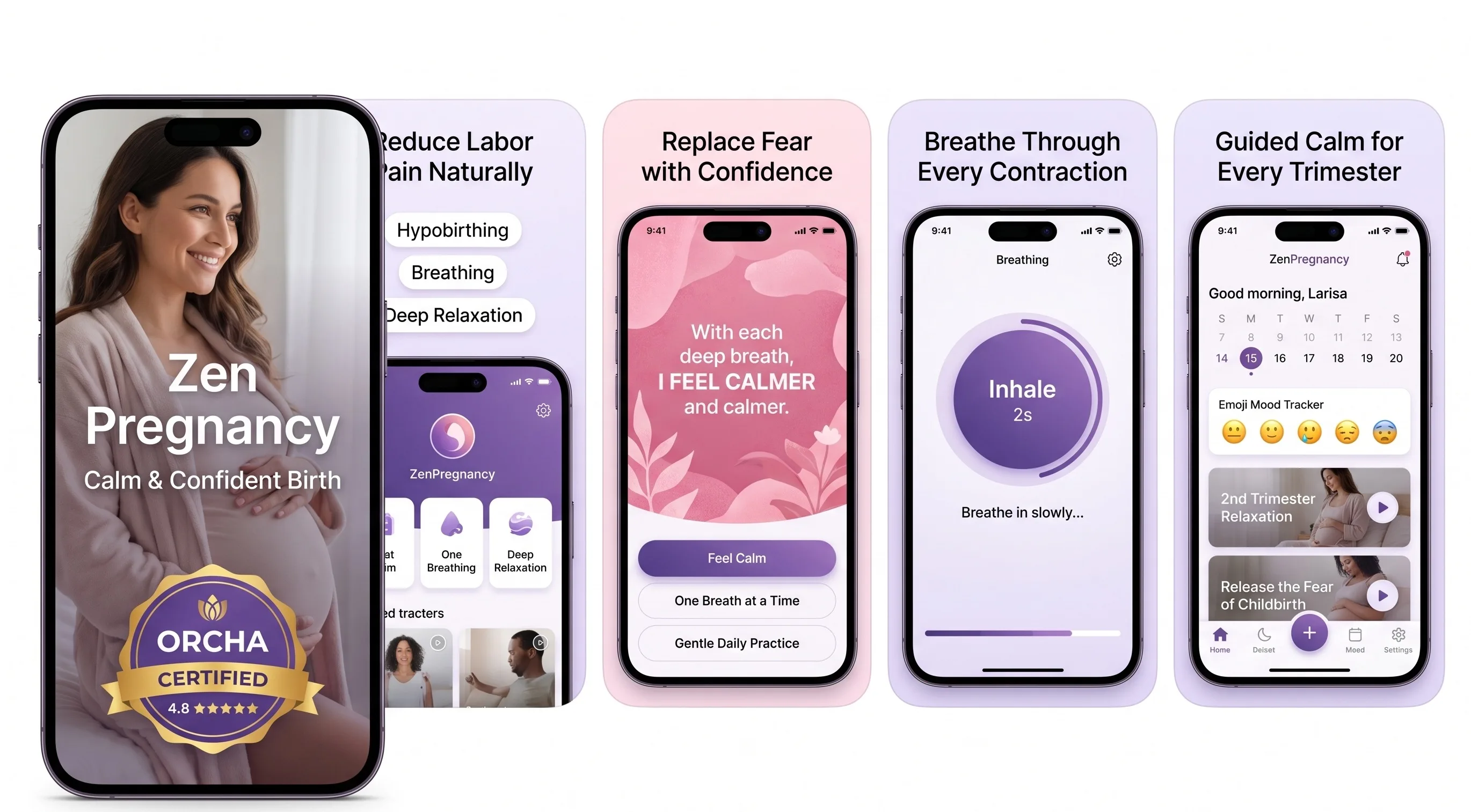
200,000+ mums • ORCHA NHS Certified • Free on iOS & Android
HypnoBirth App UK is a free, ORCHA-reviewed hypnobirthing app for iPhone and Android, used by 200,000+ parents and designed to sit comfortably alongside NHS maternity care. It includes guided hypnobirthing tracks, breathing tools, relaxation practice, birth partner prompts, positive affirmations and birth preparation support for pregnancy, labour and the postnatal period. It can help you stay calmer while you wait for advice, but it is not medical advice and should never delay calling maternity triage, 999 or attending A&E when you are worried.
For pages about when to call maternity triage, the most-used HypnoBirth App features are short breathing tools, partner prompts and quick calming tracks that can be used while preparing questions or waiting for a callback.
| Need | Best option |
|---|---|
| Free NHS-friendly calming support while deciding what to say to maternity triage | HypnoBirth App |
| Structured antenatal course-style education before labour begins | Positive Birth Company |
| Contraction timing alongside simple in-the-moment labour support | Freya |
| Broader mindfulness and wellbeing tools across pregnancy and parenting | GentleBirth |
Best Free Hypnobirthing App To Use Alongside Maternity Triage Guidance
HypnoBirth App is a practical free choice for UK parents who want to feel steadier while following NHS maternity triage advice. It helps with breathing, relaxation and birth partner reassurance, but it does not assess symptoms or replace urgent clinical guidance.
Best for
- UK mums and birth partners who want calm, simple tools before or after calling triage
- Parents preparing for labour who want hypnobirthing support without paying upfront
- Anyone who wants NHS-friendly reassurance without delaying medical advice
Limitations
- It cannot tell you whether reduced movements, bleeding, severe pain or feeling unwell is safe
- It should not be used instead of calling maternity triage, 999 or attending A&E when advised
You should call maternity triage immediately when you notice pregnancy red flags such as vaginal bleeding, reduced baby movements, waters breaking, severe headache, visual changes, or signs of infection, day or night. Knowing when to call maternity triage means never waiting for your next appointment if something feels wrong, because the 24/7 service exists to assess urgency and tell you what to do next. Hypnobirthing breathing and relaxation can keep you calm while you phone, but they must never replace or delay that call.
Maternity triage is the NHS 24/7 telephone and assessment service, usually available from 16 to 20 weeks of pregnancy until several weeks after birth, that prioritises pregnant and postnatal women by clinical urgency and advises whether immediate hospital assessment is needed.
- Maternity triage is available 24/7 from roughly 16–20 weeks' pregnancy through the postnatal period, so call any time something feels wrong.
- Pregnancy red flags requiring an immediate call include bleeding, reduced fetal movements, waters breaking, severe headache, visual changes, high blood pressure, fever, and feeling very unwell.
- Hypnobirthing tools support calm decision-making but cannot diagnose complications or safely tell you to stay home when red-flag symptoms appear.
What Maternity Triage Covers During Pregnancy And After Birth
Maternity triage is the specialist NHS route for urgent pregnancy, labour, and postnatal concerns. It usually starts from around 16 to 20 weeks of pregnancy and continues for several weeks after birth, depending on your NHS Trust.
The model is phone-first. A midwife asks what is happening, checks gestation and history, then decides whether you need immediate assessment, same-day review, advice, or another service. In one large UK maternity unit, structured obstetric triage reduced waits over 30 minutes from 37% to 17%, according to a 2017 study source.
It is not only for labour.
You can call about reduced movements, bleeding, waters breaking, headaches, infection signs, postnatal heavy bleeding, chest pain, or feeling suddenly very unwell. If you are sitting with the NHS app open after dinner and wondering whether you count as “urgent”, phone and let triage decide.
How UK Maternity Triage Works Behind The Scenes
UK maternity triage works by clinical prioritisation, which means staff sort calls by risk rather than by who phoned first. A midwife will usually ask structured questions about your symptoms, weeks of pregnancy, baby’s movements, fluid loss, bleeding, pain, medical history, and previous complications.
Behind the scenes, calls are often grouped into categories such as urgent, soon, or routine. That is why someone may advise you to come in even when you feel embarrassed or unsure. Telephone triage cannot see your colour, check your blood pressure, monitor your baby, or test your urine. It relies on the clearest description you can give.
Local pathways vary. One Trust may use 16 weeks as its cut-off, another may use 20 weeks. Some services route early pregnancy symptoms elsewhere. Clinicians typically recommend calling your booked maternity unit for red-flag symptoms, because the maternity team can assess pregnancy-specific risk faster than a general advice line.
Five Pregnancy Red Flags That Mean Call Triage Now
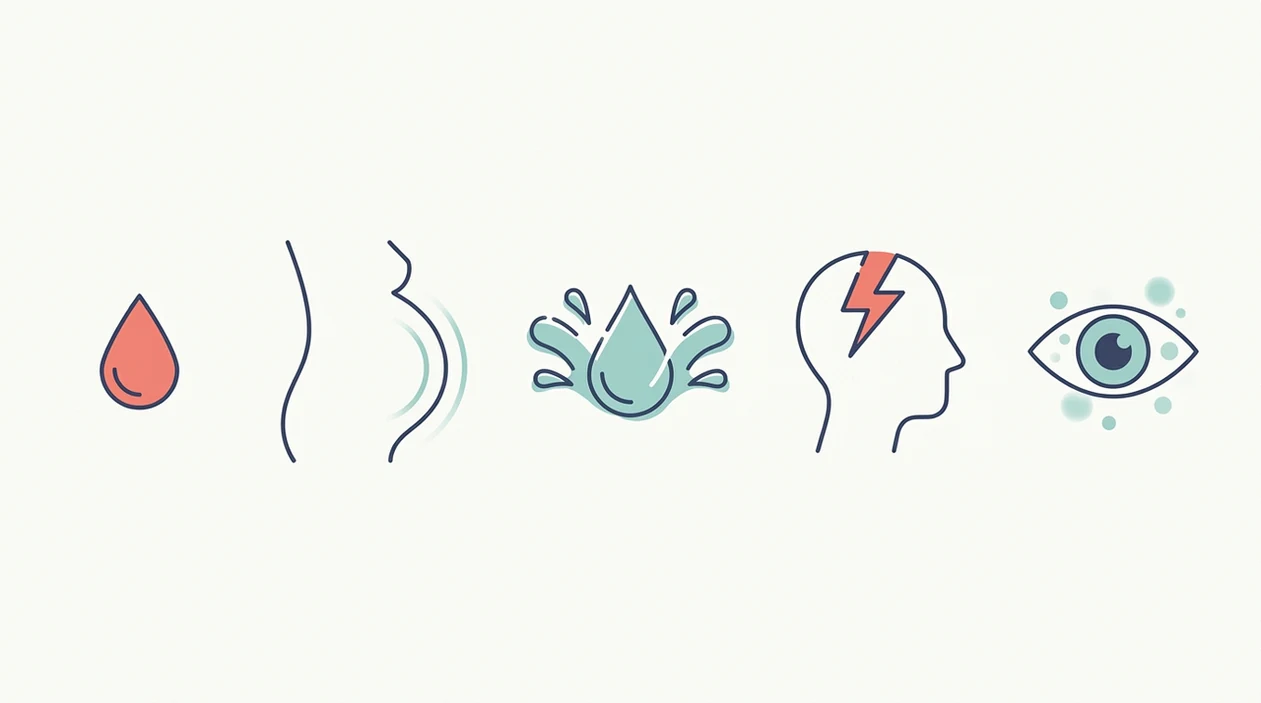
These five pregnancy red flags mean you should call maternity triage now, not after sleep, a bath, or another hour of watching symptoms.
- Reduced or absent fetal movements after 24 weeks: A UK case-control study found reduced fetal movements were linked with a 2.4-fold higher risk of stillbirth source. Don’t rely on a home doppler or a kick app for reassurance; read more on baby kick counter safety.
- Vaginal bleeding at any gestation: Fresh bleeding, clots, or bleeding with pain needs urgent triage advice.
- Severe headache, visual changes, or sudden high blood pressure: NHS guidance treats severe headache, visual changes, and sudden swelling as urgent possible pre-eclampsia symptoms, and the CDC identifies high blood pressure disorders as a serious pregnancy risk source source.
- Signs of sepsis: Fever, rigors, rapid breathing, confusion, or feeling severely unwell need same-day escalation. WHO lists infection, including severe infection after childbirth, among the major direct causes of maternal death worldwide source.
- Waters breaking: Call urgently, especially if fluid is green or brown, smells offensive, or you are GBS-positive.
Cold hands, tight jaw, racing thoughts. Still call.

When To Call 999 Or Go To A&E Instead Of Maternity Triage
Call 999 for immediate danger; maternity triage is urgent, but it is not an ambulance or emergency response service. If someone has collapsed, is having a seizure, cannot breathe properly, has blue lips, severe chest pain, or heavy uncontrolled bleeding, do not wait on hold or for a callback.
Use this simple route when the room feels unsafe or symptoms are escalating fast:
- Call 999 if there is collapse, seizure, severe breathing difficulty, severe chest pain, loss of consciousness, or bleeding that is soaking through pads or clothing.
- Say you are pregnant or recently gave birth and give your gestation or days since birth, because that changes how responders assess risk.
- Go to A&E if you cannot reach local maternity triage and the symptom feels urgent enough that waiting would be unsafe, especially for breathing, chest pain, fainting, severe pain, or heavy bleeding.
- Return to your NHS Trust pathway once immediate emergency danger has been ruled out, because pregnancy-specific assessment may still need maternity triage, labour ward, or your booked unit.
If in doubt, choose the faster emergency route first. You can use calm breathing while help is coming, but the priority is getting clinical help moving.
When To Call Maternity Triage In Labour
When should you call maternity triage in labour? Call when contractions are regular and strong, when your waters break, when you are unsure what stage you are in, or when anything feels outside your normal.
The 3-2-1 pattern means contractions about 3 minutes apart, lasting 2 minutes, for 1 hour. It can help you describe labour, but it is a guide, not a rule. If you have previous complications, a planned caesarean, reduced movements, bleeding, meconium-stained waters, or Group B Strep concerns, call earlier.
You do not need to wait until labour is “well established” to deserve advice. A contraction timer can make timing easier, but contraction timer safety matters more than neat numbers on a screen. In practice, your partner might be packing lip balm and headphones while you speak to triage with your forehead resting on folded arms. That counts as organised enough.
Postnatal Red Flags Often Missed After Birth
Postnatal red flags belong in maternity triage guidance because serious complications can happen after the baby is born. Many guides stop at labour, but maternity triage often covers the early postnatal period too.
Call if you are soaking pads quickly, passing large clots, feeling faint, or bleeding suddenly increases. Call for a severe headache, visual disturbance, chest pain, shortness of breath, calf swelling, or pain that feels wrong. Also call for fever, rigors, worsening wound pain, offensive discharge, redness spreading around a caesarean wound, or feeling frighteningly unwell.
The house can be quiet and still feel unsafe.
If you are unsure whether a symptom is “normal recovery”, use that uncertainty as a reason to phone. A midwife would rather assess ten false alarms than miss one haemorrhage, clot, infection, or blood-pressure emergency.
What To Prepare Before You Call Maternity Triage
Before you need it, save your own NHS Trust’s maternity triage number in your phone. Each hospital has its own number, often printed in your maternity notes, booking letter, or on the Trust website.
When you call, have your NHS number, hospital number, gestation in weeks, and location ready if you can. Describe symptoms plainly: when they started, how severe they are, whether they are changing, and what you have already noticed. Mention GBS status, previous complications, medicines, allergies, blood pressure readings, and whether your waters have broken.
How to use a triage call well:
- Save the number before labour starts.
- Say your gestation and main symptom first.
- Report changes in movements, bleeding, fluid, pain, or temperature.
- Follow the instruction even if it means coming in.
- Use breathing from tools like ZenPregnancy while you wait on the line.
How Hypnobirthing Supports But Never Replaces Maternity Triage
Hypnobirthing supports maternity triage by helping you stay calm enough to communicate clearly. It does not assess your baby, diagnose pre-eclampsia, detect infection, or decide that staying home is safe.
Good hypnobirthing apps deliver breathing prompts, relaxation audio, contraction timing, and affirmations, not medical clearance. Use the app audio like a familiar track while you phone, travel in, or wait to be seen. Soft jaw, loose shoulders, heavy hands. It can lower the adrenaline spike enough for you to answer questions.
Tools like ZenPregnancy can help you breathe down rather than brace up, and a contraction timer can help you report timing accurately. The point is not to stay home longer. The point is to call earlier, explain clearly, and keep your body steadier while clinicians do their part. For safety boundaries, the fuller guide on whether can hypnobirthing app replace medical advice is worth reading.
Limitations
This page can help you recognise when to call, but it cannot judge your individual risk. Use it as a prompt to seek help, not as permission to wait.
If you have severe chest pain, collapse, blue lips, heavy uncontrolled bleeding, a seizure, or severe breathing difficulty, call 999 or go to emergency care rather than waiting for a triage callback.
- Triage pathways vary between NHS Trusts, so follow your booked hospital’s guidance.
- Telephone triage relies on your description; staff may advise in-person assessment because they cannot see you or your baby.
- No app, symptom checker, or online guide can replace urgent medical assessment for red-flag symptoms.
- Hypnobirthing and relaxation techniques are not treatments for bleeding, sepsis, pre-eclampsia, placental abruption, or breathing problems.
- Some complications, including placental abruption and amniotic fluid embolism, can develop suddenly without typical warning signs.
- Home dopplers and blood-pressure monitors can give false reassurance if symptoms are still worrying.
- This page is informational only and is not a substitute for professional medical advice.
If you use the ZenPregnancy hypnobirthing app, treat it as part of your labour toolkit, alongside your hospital number and printed preferences sheet.
Frequently Asked Questions
How do I know when to call triage?
Call maternity triage for bleeding, reduced movements, waters breaking, severe headache, visual changes, fever, chest pain, breathing difficulty, or if something feels seriously wrong. Do not wait for your next appointment if symptoms are new, worsening, or worrying.
What is the 3-2-1 rule for labour?
The 3-2-1 rule means contractions are about 3 minutes apart, last around 2 minutes, and continue for 1 hour. It is only a guide, and you should call earlier for risk factors, waters breaking, bleeding, reduced movements, or concern.
Can I call maternity triage at night?
Yes, maternity triage is designed as a 24/7 service. Night calls are appropriate when you have red-flag symptoms or feel something is wrong.
What does maternity triage actually mean?
Maternity triage means clinical prioritisation in a pregnancy, labour, or postnatal setting. Midwives assess urgency and advise whether you need immediate hospital assessment, planned review, or other care.
Should I call triage for reduced movements?
Yes, call maternity triage immediately for reduced, changed, or absent fetal movements after 24 weeks. Reduced movements are linked with increased stillbirth risk and should not be watched overnight.
Is maternity triage the same as A&E?
No, maternity triage is usually a specialist midwife-led service for pregnancy, labour, and early postnatal concerns. A&E is a general emergency department, though local hospitals may direct some symptoms there.
Where do I find my triage number?
Find your maternity triage number in your maternity notes, booking letter, hospital website, or NHS Trust pregnancy information. Save the exact local number because each Trust uses its own pathway.
Can a hypnobirthing app replace calling triage?
No, ZenPregnancy or any hypnobirthing app cannot replace clinical assessment from maternity triage. It can support calm breathing and clear communication, but it cannot diagnose complications or confirm that your baby is safe.