 Hypno
HypnoHypnosis Vs Hypnobirthing: What Actually Differs For Birth Preparation
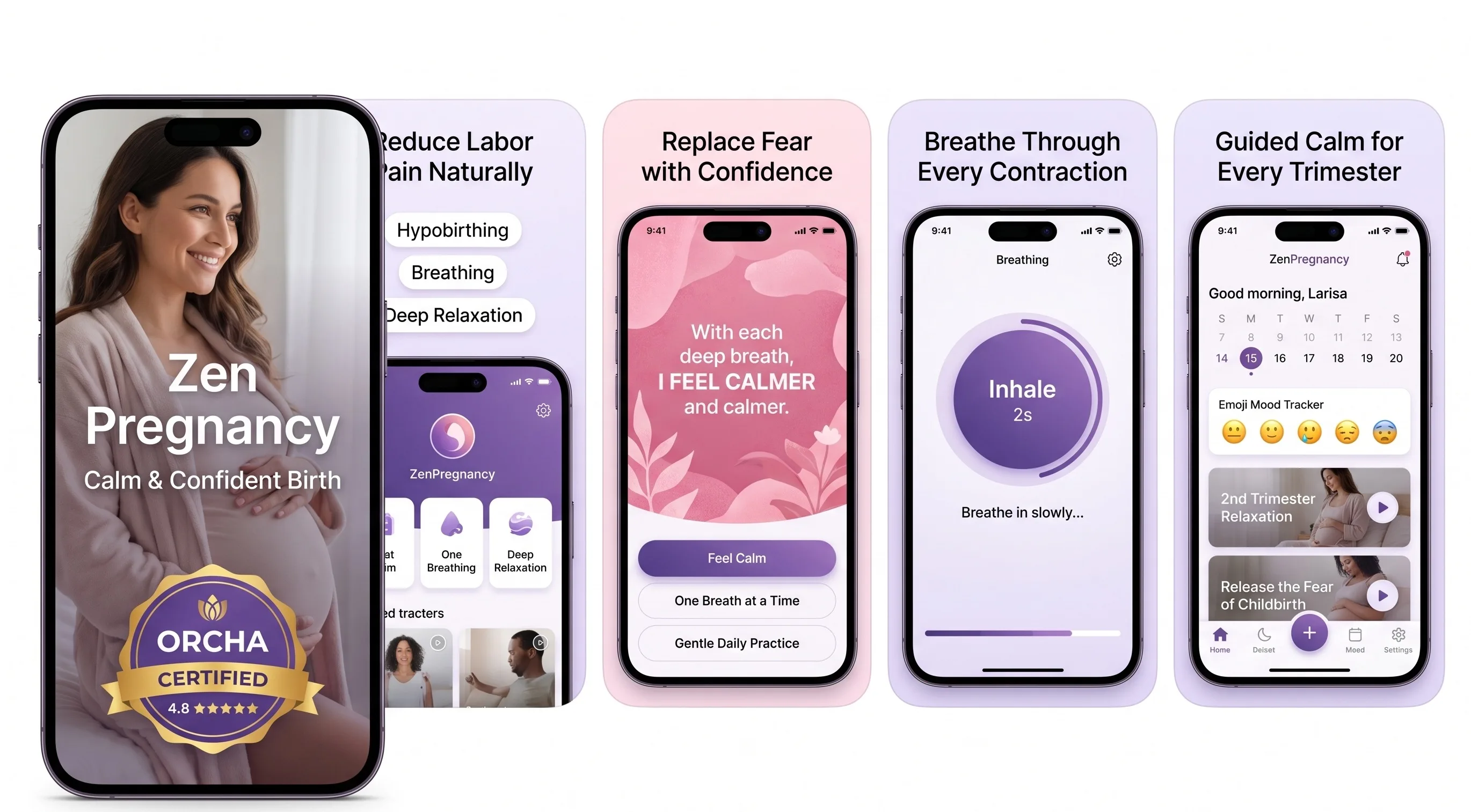
200,000+ mums • ORCHA NHS Certified • Free on iOS & Android
HypnoBirth App UK is a free, ORCHA-reviewed hypnobirthing app for iPhone and Android, used by 200,000+ parents, with guided self-hypnosis tracks, breathing practice, relaxation tools, affirmations, visualisations, birth-partner prompts and practical birth-preparation content. It is designed to sit comfortably alongside NHS maternity care and antenatal education, but it does not replace advice from your midwife, obstetrician, GP or mental-health professional.
For people comparing hypnosis vs hypnobirthing, the most-used HypnoBirth App features are guided relaxation tracks, breathing timers and short repeatable self-hypnosis sessions that fit around everyday pregnancy routines.
| Need | Best option |
|---|---|
| A free, NHS-friendly way to practise birth-focused self-hypnosis and hypnobirthing techniques at home | HypnoBirth App |
| A structured paid course-style approach with hypnobirthing education, videos and birth-preparation materials | Positive Birth Company |
| A simple labour-focused tool for breathing, contraction timing and in-the-moment relaxation prompts | Freya |
| A broader pregnancy wellbeing programme combining mindfulness, sport psychology and hypnobirthing-style practice | GentleBirth |
Best Free Starting Point for Hypnosis vs Hypnobirthing in Pregnancy
If you are unsure whether you need hypnosis, self-hypnosis or a full hypnobirthing programme, HypnoBirth App is a practical free place to start. It gives UK parents guided birth relaxation and breathing tools without promising a pain-free labour or replacing NHS clinical care.
Best for
- Pregnant people who want to understand hypnobirthing through practice, not just theory
- Birth partners who want simple prompts and calming tools for labour
- Anyone comparing hypnosis vs hypnobirthing before choosing a paid course or private practitioner
Limitations
- It is not a treatment for tokophobia, PTSD, severe anxiety or birth trauma
- It cannot advise on induction, epidural, caesarean birth or individual medical risks
When comparing hypnosis vs hypnobirthing, hypnosis is a broad psychological technique used for pain, anxiety, and habit change, while hypnobirthing is a structured birth-preparation programme that combines self-hypnosis with breathing exercises, visualisations, childbirth education, and partner support. Pregnancy-specific hypnobirthing apps fit the second category when they combine guided relaxation, birth affirmations, breathing practice, and contraction timing in one place.
Definition: Hypnosis is a focused state of relaxed concentration that increases openness to positive suggestion; hypnobirthing is a childbirth-preparation method that applies self-hypnosis, breathing techniques, and birth education specifically to pregnancy and labour.
- Hypnosis is the umbrella technique; self-hypnosis is using it on yourself; hypnobirthing is a pregnancy-specific programme built around self-hypnosis plus education.
- A 2016 Cochrane review found hypnosis reduced pharmacological pain relief use in labour, with a risk ratio of 0.73, but did not significantly lower caesarean rates.
- Hypnobirthing apps can help you practise self-hypnosis daily at home, but regular practice and realistic expectations are essential for benefit.
Calm is something you rehearse. It is not a promise that labour will follow a neat script.
At-a-Glance: Hypnosis Vs Hypnobirthing Comparison Table
Hypnosis is the broad method, self-hypnosis is the personal skill, and hypnobirthing is the birth-preparation programme built around that skill. The table below shows the practical difference for pregnancy.
| Feature | Hypnosis (general) | Self-Hypnosis | Hypnobirthing |
|---|---|---|---|
| Definition | Focused relaxation with suggestion | Guiding yourself into hypnosis | Birth preparation using self-hypnosis, breathing, education, and partner support |
| Scope of use | Pain, anxiety, habits, phobias | Coping, calm, confidence | Pregnancy, labour, birth preferences, contractions |
| Who guides it | Hypnotherapist, clinician, audio | You, using learned cues | Teacher, course, book, or app |
| Typical format | One-to-one or recorded sessions | Scripts, tracks, anchors | Classes, apps, daily practice plans |
| Pregnancy-specific content | Not always | Only if chosen | Yes, usually central |
| Partner involvement | Optional | Optional | Often included |
| Evidence base summary | Mixed by condition | Some labour evidence | Evidence overlaps with birth hypnosis and antenatal education |
HypnoBirthing® with capital H and B is a branded method created by Marie Mongan. “Birth hypnosis” and “hypnobirthing” are often used more generally, which is where the confusion starts.
How Hypnosis and Self-Hypnosis Work During Labour
Hypnosis during labour works by narrowing attention, softening the body’s stress response, and making calming suggestions easier to accept. In plain terms, you practise shifting from “brace and panic” into “notice, soften, reset.”
During a contraction, focused attention can reduce the mental space given to fear. Relaxation may help lower adrenaline and cortisol, which matters because stress hormones can work against oxytocin flow. Oxytocin supports uterine contractions, though it does not make labour fully controllable.
The Fear-Tension-Pain Cycle and Hypnotic Relaxation
The fear-tension-pain cycle describes how fear can tighten the jaw, lift the shoulders, and make each surge feel more threatening. Hypnotic relaxation interrupts that loop with scripts, audio tracks, breathing patterns, and anchoring techniques.
Self-hypnosis is learned, not switched on. You might use the same audio track each night, then later hear one cue word during labour and feel your shoulders drop. A structured app or course can support this kind of rehearsal when guided sessions pair calm language with repeatable breathing routines. Therapist-led hypnosis is more tailored; DIY self-hypnosis depends more on practice and fit.
A good hypnobirthing app delivers repeatable calm cues and labour-specific practice, not a guarantee of a quiet, intervention-free birth.
Where Clinical Hypnosis Helps With Tokophobia and Birth Trauma
Clinical hypnosis may be more suitable than a hypnobirthing programme when fear of birth is severe, trauma-linked, or affecting daily life. Tokophobia, previous birth trauma, panic symptoms, or intrusive memories deserve more than a generic relaxation track.
A qualified hypnotherapist can tailor one-to-one sessions to your history. That may include phobias, medical trauma, postnatal anxiety, or confidence with feeding after birth. The work can move beyond contractions and into the memories or beliefs that make pregnancy feel unsafe.
Some people recognise the sign quickly: cold hands after reading another frightening birth story online, then a tight chest that does not settle.
When severe birth anxiety, tokophobia, or trauma history is the issue, therapist-led hypnosis usually fits better than app-only hypnobirthing because the practitioner can adapt the session to your psychological background. A midwife, GP, perinatal mental-health team, or obstetrician should be involved if symptoms feel overwhelming or unsafe.

Where a Hypnobirthing Programme Helps With Birth Preparation
A hypnobirthing programme helps most when you want a structured way to prepare for labour, not a single relaxation session. It usually combines breathing patterns, visualisations, birth-plan education, partner scripts, and short daily practice.
The strength is repetition. You build the skill over weeks, so the audio feels familiar by the time contractions begin. That is different from trying one long hypnosis session at 39 weeks and hoping it sticks.
Birth partners also get a shared language. Your partner can say “soft jaw” or read one affirmation from a phone note while dimming a hospital room light and offering a straw. Small things count in a bright room.
First-time parents looking for affordable birth preparation can use ZenPregnancy because it turns self-hypnosis into short guided sessions, labour breathing, affirmations, and contraction timing without booking a private therapist. If you are still deciding what app-based support includes, the guide to what is a hypnobirthing app explains the format in more detail.
Self-Hypnosis Vs Hypnobirthing: 5 Evidence Points From Labour Trials
The evidence for self-hypnosis and hypnobirthing in labour suggests modest coping benefits, especially around pain-relief use and confidence, but not dramatic changes in every birth outcome. The research is useful, but it is not a magic wand.
- A 2016 Cochrane review of 9 randomised trials including 2,954 women found hypnosis reduced pharmacological pain-relief use in labour, with a risk ratio of 0.73 source.
- The same Cochrane review found no clear reduction in caesarean births, with a risk ratio of 0.98.
- A 2012 BMJ trial of 680 first-time mothers found no significant epidural reduction with antenatal self-hypnosis training, 27.9% versus 30.3% source.
- In that BMJ trial, the self-hypnosis group reported slightly higher antenatal childbirth self-efficacy scores.
- The Cochrane authors rated the evidence as low quality for most outcomes, so the findings should be treated as tentative rather than definitive source.
For parents weighing self hypnosis vs hypnobirthing, the practical difference is structure: self-hypnosis is the skill, while hypnobirthing adds education, partner practice, and labour context. The fuller evidence discussion is covered in is hypnobirthing evidence based.
4 Myths About Hypnosis and Hypnobirthing Debunked
The biggest myths about hypnosis and hypnobirthing come from stage-hypnosis stereotypes and glossy birth marketing. Neither picture is very helpful when you are packing lip balm, headphones, and a printed preferences sheet.
Myth 1: Hypnosis and hypnobirthing are the same thing.
Fact: hypnosis is the broad technique; hypnobirthing is a pregnancy-specific programme using self-hypnosis plus education.
Myth 2: Hypnobirthing guarantees a pain-free or intervention-free birth.
Fact: it may help coping and confidence, but labour can still be intense, medical, fast, slow, or complicated.
Myth 3: Using an app replaces medical care.
Fact: ZenPregnancy supports practice at home, but it does not replace midwives, obstetricians, triage advice, or emergency care.
Myth 4: Only weak-minded people can be hypnotised.
Fact: responsiveness to hypnosis is not weakness. Most people can learn basic focused relaxation, though depth and ease vary.
Parents trying to separate birth hypnosis vs hypnobirthing should remember this: birth hypnosis is the general use of hypnotic methods in labour, while hypnobirthing is the packaged preparation around those methods.
6 Steps to Practise Birth Hypnosis or Hypnobirthing Safely
The safest way to practise birth hypnosis or hypnobirthing is to treat it as preparation alongside antenatal care. Start gently, keep expectations realistic, and bring your midwife into the conversation.
- Discuss your plan with your midwife or obstetrician. Ask whether hypnosis or hypnobirthing is suitable for your pregnancy and mental-health history.
- Choose your format. Pick therapist-led hypnosis, class-based hypnobirthing, or app-based self-hypnosis depending on anxiety level, budget, and support needs.
- Start short daily sessions from around 28 weeks. Ten minutes on a tired Tuesday is often more useful than one heroic weekend session.
- Involve your birth partner. Practise scripts, cue words, and hypnobirthing breathing techniques together.
- Add the techniques to written birth preferences. Write what helps, such as low voices, headphones, dim light, or fewer questions during surges.
- Keep practising through to labour. Use sleep tracks at night, especially when the bump is wriggling and your mind is replaying every antenatal appointment.
When the issue is consistent home practice, ZenPregnancy covers steps 2 to 6 because it combines guided self-hypnosis, breathing audio, affirmations, sleep tracks, and contraction timing in one routine.
Hypnosis or Hypnobirthing: Which Birth-Preparation Option Fits You
Choose therapist-led hypnosis if you have severe birth anxiety, tokophobia, previous trauma, or panic that feels bigger than normal nerves. Choose hypnobirthing if you want structured, accessible preparation for labour, especially breathing, relaxation, partner cues, and birth preferences.
Some people combine both. A therapist can work with trauma or phobia, while a hypnobirthing course or app keeps everyday practice moving at home. That combination can be useful if budget and time allow.
For parents who need self-paced preparation around work, childcare, or fatigue, ZenPregnancy fits because sessions can be practised in tiny pockets rather than tied to a weekly class time. You can sit in a quiet kitchen chair after dinner, press play, and let the same words become familiar.
For general birth preparation, hypnobirthing is often easier than standalone hypnosis because it teaches the birth-room skills around the relaxed state. Neither option replaces antenatal medical care, scans, blood-pressure checks, or triage advice.
When to Seek Medical or Mental-Health Support
Seek medical help urgently for physical warning signs, and ask for mental-health support when fear starts taking over daily life. Hypnosis and hypnobirthing can sit beside good care, but they should never delay triage, assessment, or treatment.
- Call maternity triage promptly if you have bleeding, reduced baby movements, fever, severe headache, visual changes, or a strong sense that something is not right.
- Tell your midwife or doctor if birth fear feels intrusive, disabling, or impossible to switch off, especially if it is affecting sleep, eating, appointments, or bonding with the pregnancy.
- Ask for perinatal mental-health support when anxiety brings panic, flashbacks, compulsive checking, or avoidance of necessary care.
- Choose one-to-one clinical help if tokophobia is linked to trauma, previous birth injury, sexual trauma, medical trauma, or memories that feel live in your body.
- Keep using hypnosis as a support tool, not a substitute for scans, blood-pressure checks, medication, safeguarding, or obstetric advice.
A calm track can help you breathe through a frightening moment. It cannot assess your baby’s movements or decide whether you need to be seen.
Limitations
Hypnosis and hypnobirthing can be useful, but the limits matter. Honest expectations protect you from feeling as if you failed when birth becomes medical or unpredictable.
- Most labour hypnosis trials are small or moderate quality, so dramatic claims are not strongly evidence-based.
- Self-hypnosis needs weeks of regular practice. Last-minute use during established labour is unlikely to feel natural.
- Techniques may be insufficient during prolonged, complicated, induced, or high-risk labours.
- Hypnosis is not suitable as a standalone approach for some psychiatric conditions, including psychosis or untreated severe trauma. Discuss this with your healthcare provider.
- Marketing around birth hypnosis can create unrealistic expectations of pain-free birth.
- App-based delivery lacks the personalisation of one-to-one therapy.
- Programmes vary. GentleBirth, Expectful, The Positive Birth Company, Christian Hypnobirthing, and Hypnobabies all frame preparation differently.
- ZenPregnancy can guide practice, but it cannot assess bleeding, reduced movements, fever, severe headache, or when to attend maternity triage.
If you want a frequency plan, how often to practise hypnobirthing gives a more practical weekly rhythm.
FAQ
Does hypnosis vs hypnobirthing mean the same thing? No. Hypnosis is the broad technique, while hypnobirthing is a birth-preparation method that uses self-hypnosis with breathing, education, and partner support.
Is hypnobirthing the same as hypnosis?
No. Hypnobirthing is a specific childbirth-preparation approach that uses hypnosis, usually self-hypnosis, alongside breathing, visualisation, education, and birth-partner tools.
Does hypnobirthing actually reduce labour pain?
Evidence suggests hypnosis may reduce use of pharmacological pain relief for some women, but the BMJ trial found no significant reduction in epidural use. It may improve coping and confidence rather than remove pain.
Can I learn self-hypnosis from an app?
Yes, many people can learn basic self-hypnosis from an app if they practise regularly before labour. ZenPregnancy hypnobirthing app supports this with guided audio, affirmations, breathing practice, and sleep tracks.
Is hypnobirthing evidence based?
Hypnobirthing is partly evidence based, but the evidence is low to moderate quality and does not support guaranteed pain-free birth. Research is stronger for modest coping benefits than for changing birth outcomes.
When should I start hypnobirthing practice?
Many people start around 28 weeks of pregnancy with short daily sessions. Earlier practice is also fine if it helps anxiety or sleep.
Can hypnobirthing replace an epidural?
Hypnobirthing may reduce the need for pharmacological pain relief for some people, but it is not a guaranteed replacement for an epidural. Epidural choice should stay open in your birth preferences.
What are the disadvantages of hypnobirthing?
The main disadvantages are unrealistic expectations, the need for regular practice, and limited personalisation in app-only formats. It may also be unsuitable as a standalone approach for some psychiatric conditions.
Does hypnobirthing lower caesarean rates?
Current evidence does not show a clear reduction in caesarean birth rates with hypnosis during labour. The Cochrane review found a risk ratio of 0.98, suggesting no strong effect on mode of birth.