 Hypno
Best postnatal recovery programme: 6 honest options
Compare six postnatal recovery options for your core, pelvic floor and return to exercise.


200,000+ parents • ORCHA-reviewed • Free on iOS & Android
Quick answer. NHS guidance does not name one best postnatal recovery programme. A good option starts with gentle pelvic-floor and deep abdominal work, progresses slowly and explains when symptoms need assessment. Paid guidance can make a routine easier to follow, but many parents can start with the free NHS options below.
How we wrote this. Health and safety points on this page follow guidance from NHS. We are not doctors; ask your own provider about your situation.

How we chose
- Clear postnatal scope and gradual progression
- Support for pelvic-floor and whole-body recovery
- Consideration of caesarean birth and individual recovery
- Transparent pricing, credentials and access details
- No unsupported diastasis recti treatment claims
Quick comparison
| Pick | Best for | Key detail | Price |
|---|---|---|---|
| Squeezy NHS Pelvic Floor app | Pelvic-floor reminders | Guided exercise progression | price not published |
| The Bloom Method prenatal and postpartum education | App-based education | Available through Apple and Google app stores | price not published |
| MUTU System | Further research before buying | Current details are not verified | price not published |
| Every Mother | Further research before buying | Scope and credentials are not verified | price not published |
| Natal app | Further research before downloading | Postnatal scope is not verified | price not published |
| Juna | Further research before subscribing | Availability and format are not verified | price not published |
Our picks
1. Squeezy NHS Pelvic Floor app, by NHS-approved app
Best for pelvic-floor exercise reminders • App with reminders and guided pelvic-floor progression • price not published
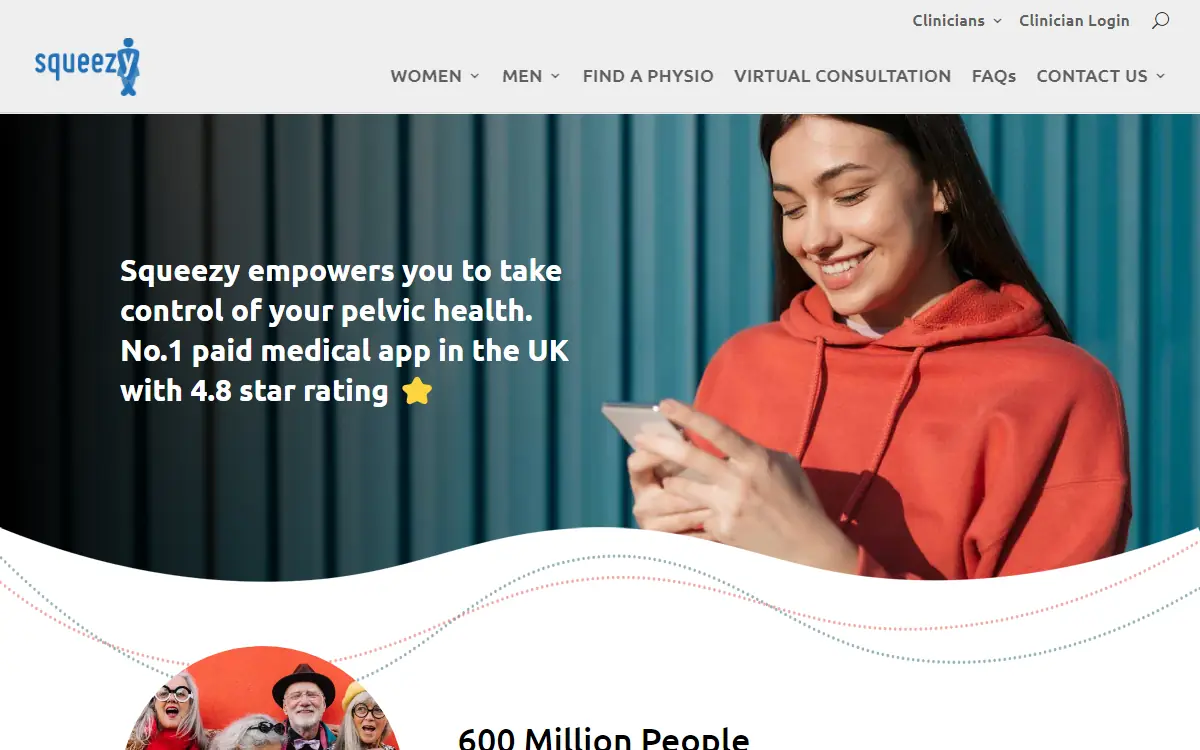
Squeezy provides reminders and guided progression for pelvic-floor exercises. An NHS trust recommends it as a way to help people remember and progress their routine.
This is a focused aid rather than a complete postnatal recovery programme. The available research does not state its current price, programme length, developer details or independent user feedback.
Good
- Simple pelvic-floor focus
- Includes exercise reminders
- Recommended by an NHS trust for guidance and progression
Less good
- Not a comprehensive whole-body recovery programme
- Current price and exact programme length are not published in the research
2. The Bloom Method prenatal and postpartum education
Best for app-based prenatal and postpartum education • Digital education through Apple App Store and Google Play • price not published
The Bloom Method offers prenatal and postpartum education through apps available from Apple and Google. In-app purchases are billed and managed by the relevant app store.
The available research does not confirm the postpartum course structure, length, current instructors, credentials or independent reviews. Clinical suitability should be checked with a healthcare professional.
Good
- Digital access through major app stores
- Covers prenatal and postpartum education
- Suitable for people who prefer app-based learning
Less good
- Current price and postpartum structure are not published in the research
- Instructor credentials and independent feedback are not verified
3. MUTU System, by provider not verified
Best for further research before buying • format not verified • price not published
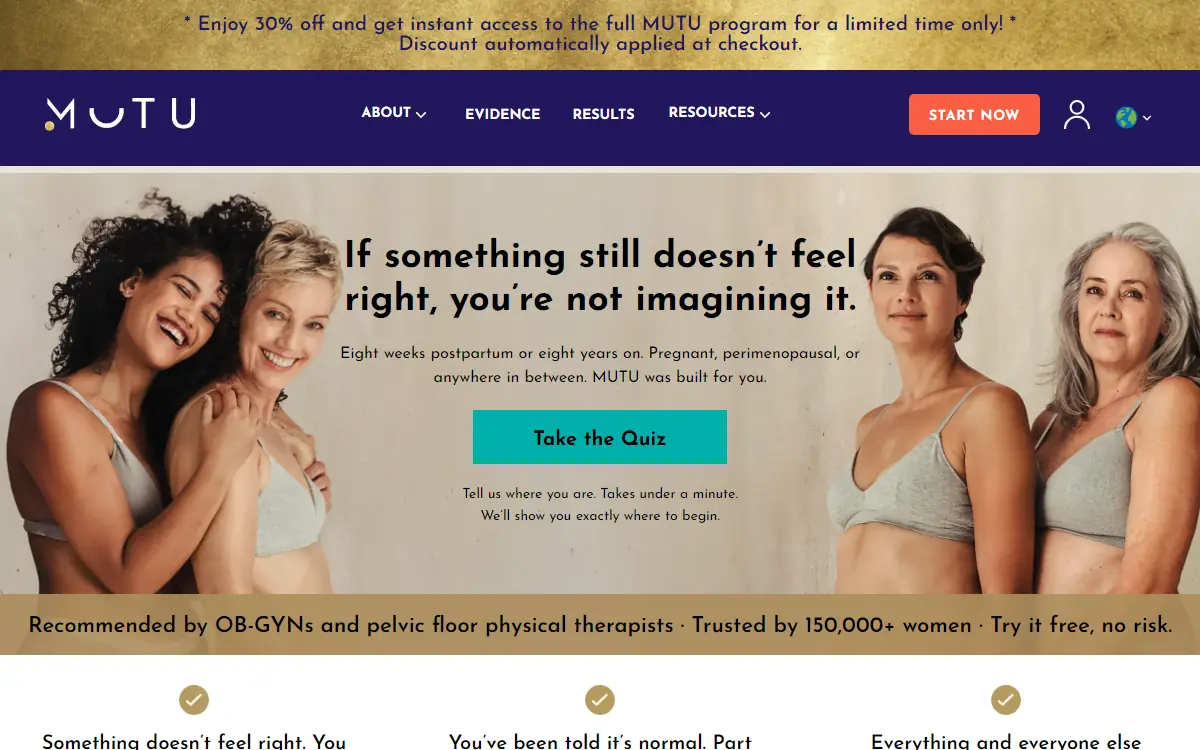
MUTU System was identified as a possible postnatal recovery candidate, but the available research does not verify its current availability, format, programme length or price.
Instructor credentials and independent review findings were also not established. We cannot fairly recommend or assess it without those details.
Good
- Included as a named candidate in the research
- No unsupported treatment claim is made here
- Unknown details are stated openly
Less good
- Current availability, format and price are not verified
- Credentials and independent feedback are not verified
4. Every Mother, by provider not verified
Best for further research before buying • format not verified • price not published
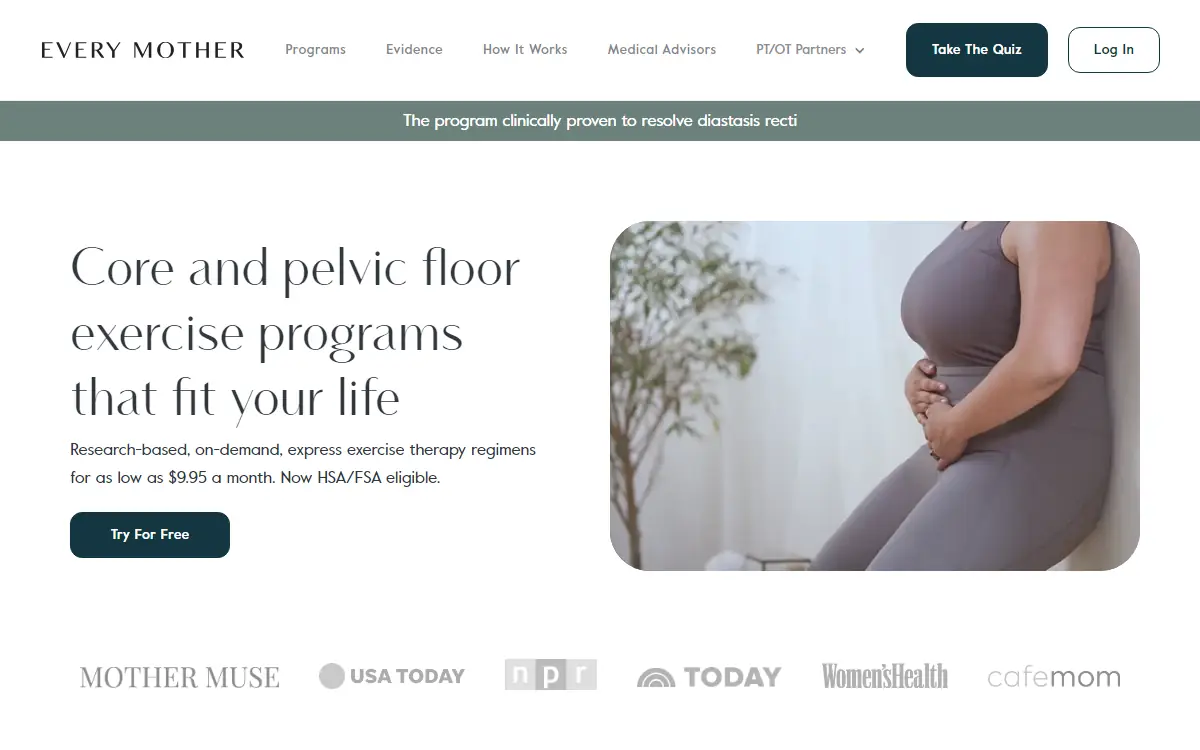
Every Mother appeared among the possible candidates, but the available research does not establish its current availability, scope, programme length or price.
The research also does not verify instructor credentials or independent user feedback. Any claims concerning diastasis recti should be checked carefully rather than treated as proven.
Good
- Included as a named candidate in the research
- No unsupported diastasis recti claim is repeated here
- Evidence gaps are made clear
Less good
- Programme structure and current price are not verified
- Credentials and independent reviews are not verified
5. Natal app, by provider not verified
Best for further research before downloading • app format and scope not verified • price not published
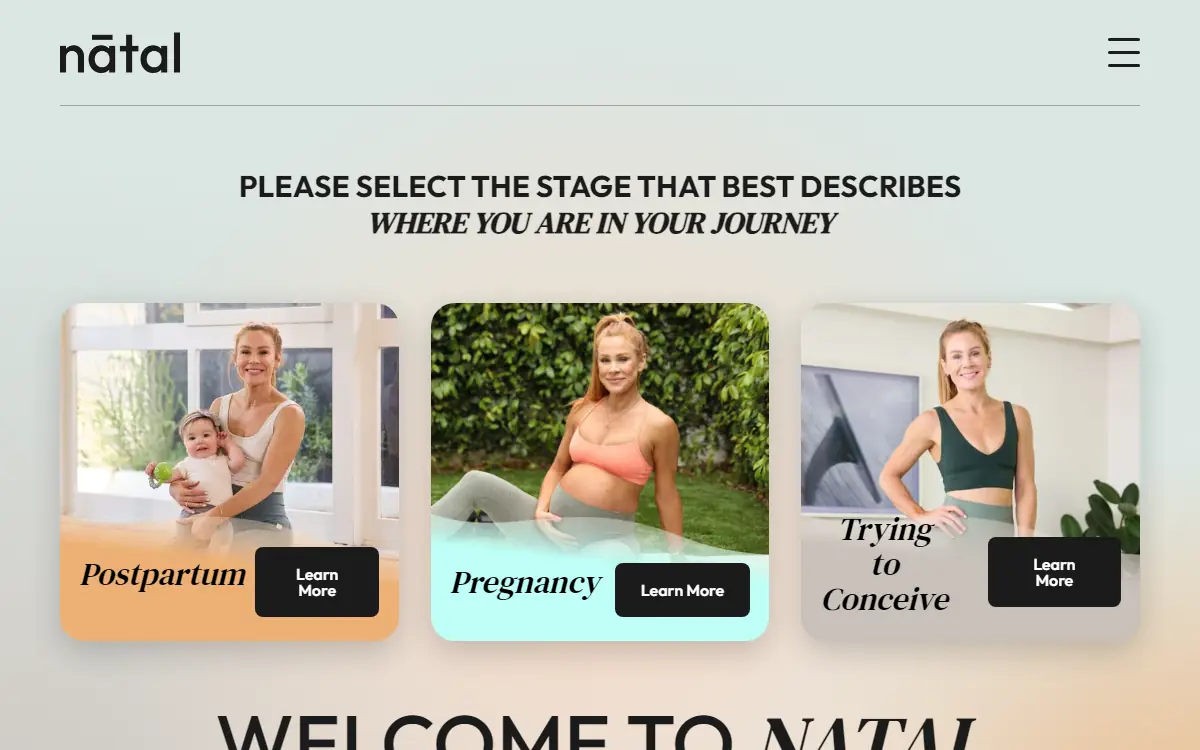
Natal app was named as a possible candidate, but the research does not verify its current availability, postnatal scope, programme length or price.
Teacher credentials and independent review findings are also unknown. Check those details, along with suitability after caesarean birth or a complicated recovery, before relying on it.
Good
- Included as a named candidate in the research
- No unsupported recovery promise is made here
- Missing information is identified clearly
Less good
- Current availability and postnatal scope are not verified
- Price, credentials and independent reviews are not verified
6. Juna, by provider not verified
Best for further research before subscribing • format not verified • price not published
Juna was identified as another possible candidate, but the available research does not confirm its current availability, format, programme length or price.
There is also no verified information here about instructor credentials or independent user feedback. It cannot be assessed fairly against the verified options without those facts.
Good
- Included as a named candidate in the research
- No unsupported clinical claim is made
- Unverified details are labelled clearly
Less good
- Current programme details and price are not verified
- Credentials and independent reviews are not verified
What is the best postnatal recovery programme?
The best postnatal recovery programme is one that suits your birth, symptoms and current stage of recovery.
If you want to begin without paying, the NHS guide to your post-pregnancy body is the clearest general starting point. NHS Lanarkshire is more useful for staged progression, while the Royal United Hospitals Bath guide concentrates on rebuilding abdominal strength. For wind-down time in the early weeks, the The HypnoBirth app sleep audio for iPhone and its Android sleep audio are free to try.
This is deliberately a mixed list. It contains apps and public resources rather than pretending six commercial products have equal evidence behind them. None of the NHS sources cited here establishes that a particular paid postnatal exercise programme produces better results than free guidance.
Can these postnatal programmes be compared like for like?
No. Paid apps and courses are guided programmes, while the NHS options are webpages or downloadable exercise guides. They do different jobs.
A course can give you a planned sequence and keep the material in one place. An NHS leaflet gives you clinical instructions without a fee, but it may not tell you what to practise on a particular day. A webpage about diastasis recti is useful if your abdomen bulges during exercise, but it is not a complete recovery plan.
We have not padded this comparison with paid brands whose current prices, scope or availability cannot be confirmed. That leaves fewer glossy choices, but it is more useful than ranking programmes through marketing claims.
What should a safe postnatal exercise programme include?
A sound postnatal programme should begin with controlled pelvic-floor and deep abdominal work, then increase the effort as your body tolerates it. It should also tell you what to stop doing if you have pain, leakage or abdominal bulging.
- Pelvic-floor exercises with both long and short squeezes.
- Gentle activation of the deep abdominal muscles while breathing normally.
- Gradual progression rather than an immediate return to planks, sit-ups or high-impact exercise.
- Clear modifications after a caesarean birth or complications.
- Advice to seek an assessment when symptoms do not settle.
The NHS recommends building towards 10 long pelvic-floor squeezes, holding each for up to 10 seconds, followed by 10 short squeezes. Aim to complete this at least three times a day while breathing normally. More repetitions are not automatically better. Technique matters, and you need to relax the muscles between squeezes.
When can you start a postnatal exercise programme?
After an uncomplicated birth, gentle pelvic-floor and basic abdominal exercises can usually begin early once your pain is controlled and you can pass urine normally. NHS Borders postnatal physiotherapy guidance supports this cautious early start.
Complications, significant symptoms and caesarean surgery can change what is suitable. Follow your own maternity team's advice rather than treating a course timetable as a medical deadline. Our caesarean recovery guide explains the practical side of recovery after surgery.
NHS Lanarkshire advises progressing to moderate activity after the postnatal check, usually around six to eight weeks, if you feel ready. It also advises strength work twice weekly. That is a possible progression point. It is not an instruction to wait in bed until your check or restart everything at once afterwards.
What should a diastasis recti programme do?
A diastasis recti programme should teach gentle deep abdominal activation and progress only when you can control the movement without your abdominal wall bulging. Diastasis recti is a separation or widening between the abdominal muscles following pregnancy.
NHS guidance advises avoiding sit-ups, planks and high-impact exercise initially. You should also avoid strenuous movements that make the centre of your abdomen bulge. The goal is not to force the gap shut with harder exercise.
The Royal United Hospitals Bath progression guide describes controlled activation of the deep abdominal muscles while breathing normally, followed by more demanding exercises. Our guide to [diastasis recti exercises gives more context, but an online guide cannot examine your abdominal wall or pelvic floor.
How can you use a programme without overdoing it?
Start with the easiest exercise you can perform without pain, breath-holding or visible bulging, then increase the challenge in small steps. Do not jump to the hardest week simply because several months have passed since the birth.
- Check that the programme fits your type of birth and current symptoms.
- Learn the breathing and muscle activation before adding harder movement.
- Practise a manageable amount and notice how you feel during and after it.
- Reduce the difficulty if your abdomen bulges or the movement causes symptoms.
- Ask for an assessment if you cannot progress comfortably.
Call your GP, midwife or maternity unit, or ask for pelvic health physiotherapy, if you have urinary or faecal leakage, persistent pelvic or lower-back pain, suspected diastasis recti or difficulty progressing without symptoms.
Do you need to pay for a postnatal recovery programme?
No. NHS resources give you enough information to begin gentle pelvic-floor and abdominal exercises after an uncomplicated birth. The sources cited here do not show that a paid programme is medically necessary or better for recovery.
Payment may be worthwhile if structure is the thing you are missing. A course can save you from piecing together separate webpages and give you a clearer route through the exercises. I would not pay simply for a longer list of movements. The useful part is sensible progression, suitable modifications and access that lasts long enough for real postnatal life, where missed days are normal.
If you prefer a gentler movement practice alongside core work, read our guide to postnatal yoga. If you are still pregnant and planning ahead, pregnancy yoga is a separate practice and should not be treated as postnatal rehabilitation.
Which option fits your recovery needs?
Choose by the problem you are trying to solve. A full guided course makes sense when you want one route through core, pelvic-floor and caesarean recovery. An NHS guide is the better first choice if you want concise clinical instructions without paying.
| Your main need | Good starting option | Why |
|---|---|---|
| A basic daily pelvic-floor routine | NHS: Your post-pregnancy body | Clear repetition and hold targets |
| Returning to moderate activity | NHS Lanarkshire: Following delivery of your baby | Gives a staged progression after the postnatal check |
| Rebuilding abdominal control | RUH: Progressive Abdominal Strengthening | Moves from deep muscle activation to harder exercises |
| Understanding diastasis recti | North Bristol NHS Trust guidance | Focused explanation and conservative exercise advice |
Frequently asked questions
Which postnatal recovery programme is best after a caesarean?
Choose a programme with a specific caesarean route rather than assuming the standard plan fits. NHS guidance offers general clinical advice. Your maternity team's instructions take priority if you had complications or still have significant symptoms.
When can I start postnatal core exercises?
After an uncomplicated birth, gentle deep abdominal and pelvic-floor exercises can usually begin once pain is controlled and urination is normal. Start with controlled activation and normal breathing, not sit-ups or demanding abdominal work.
What is the best exercise for diastasis recti?
NHS guidance recommends gentle activation of the deep abdominal muscles while breathing normally, followed by gradual progression. It does not name one exercise or commercial diastasis recti programme as the best.
Can I do planks in a postnatal exercise programme?
NHS advice is to avoid planks initially, particularly if they cause abdominal bulging or other symptoms. Progress from easier deep abdominal exercises before adding more demanding positions.
How often should I do pelvic-floor exercises after birth?
Build towards 10 long squeezes of up to 10 seconds and 10 short squeezes at least three times daily. Keep breathing normally and relax the muscles between each squeeze.
Is an online diastasis recti programme enough?
An online programme can teach basic activation and progression, but it cannot assess your abdominal wall or pelvic floor. An individual assessment is more appropriate if you have leakage, persistent pain, suspected diastasis recti or difficulty progressing.
Is a paid postnatal exercise programme worth it?
It may be worth paying for if a planned sequence helps you practise consistently or you need a dedicated caesarean route. Free NHS guidance is enough to begin for many people, and none of the cited NHS sources says a paid programme is necessary.
Sources
- NHS: Your post-pregnancy body
- NHS Lanarkshire: Following delivery of your baby
- NHS Lanarkshire: Advice and exercises following vaginal delivery
- North Bristol NHS Trust: Divarication of abdominal muscles
- University Hospitals of North Midlands: Postnatal pelvic health
Written by the HypnoBirth UK team for general information. It does not replace advice from your own doctor or midwife.