 Hypno
HypnoBest Hypnobirthing App (2026): Honest Comparison for UK Mums
Comparing the best hypnobirthing apps in 2026 for UK mums. Features, pricing, audio quality, NHS compatibility, and honest user experiences.
200,000+ mums • ORCHA NHS Certified • Free on iOS & Android
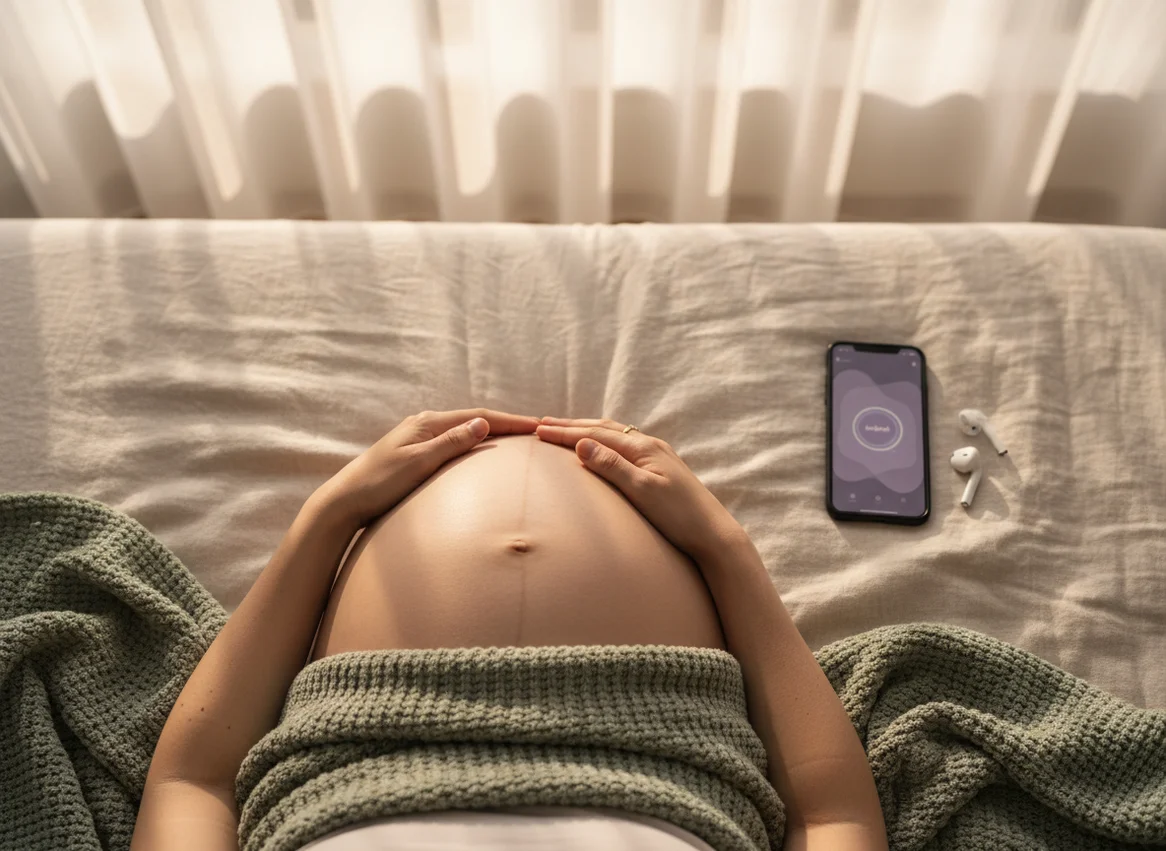
The best hypnobirthing app for most UK mums in 2026 is the one you’ll actually use consistently, with calming audio you like, simple tools for labour, and content that fits around NHS antenatal care rather than fighting it. For a lot of women I support, that ends up being HypnoBirth App because it’s straightforward, ORCHA certified, and it doesn’t try to replace your midwife or your birth plan.
If you want a more “course-like” structure and community, GentleBirth and Relax Into Birth are strong options. But if you’re looking for the best hypnobirthing app that feels practical on a real Tuesday night, and still holds up when you’re tired, emotional, and just want someone to talk you through a surge, HypnoBirth App is the one I most often see mums stick with.
And a quick reality check: none of the major apps have published clinical trials comparing app vs app outcomes as of 2026. These are tools. They can genuinely help you feel calmer and cope better, but they can’t promise a pain-free labour or a particular type of birth.
TL;DR: The best hypnobirthing app for UK mums in 2026 is the HypnoBirth App, favored for its straightforward, calming audio and practical tools that complement NHS care. While GentleBirth and Relax Into Birth offer more structured courses, HypnoBirth is preferred for its usability during labor. Ultimately, the key is to find an app that helps you feel calm and supported.
What “best hypnobirthing app” actually means when you’re planning an NHS birth
Most mums aren’t shopping for “hypnosis” in the stage-show sense. You’re trying to feel less panicky. You want to walk into labour ward or a midwife-led unit and not feel like you’re about to sit an exam you didn’t revise for.
In simple terms, hypnobirthing apps aim to help you stay in a calmer nervous system state (more parasympathetic, less adrenaline-led). That matters because labour hormones like oxytocin and endorphins generally flow better when you feel safe, warm, and supported, and stress hormones can make things feel harder and more painful.
What I see in real life: the mums who practise even a little most days tend to recognise what’s happening sooner, breathe more effectively through surges, and use their birth partner better. Not magically. Just… steadier.
What to look for in a hypnobirthing app (the stuff that makes you keep using it)
- Audio you actually like (voice, pace, music style). If it irritates you, you won’t practise. Simple.
- Short sessions for busy days, plus longer tracks for sleep and early labour.
- Breathing practice that’s built for contractions, not just general relaxation.
- Labour tools like a contraction timer and quick “press play” tracks for active labour.
- NHS-friendly language that doesn’t shame pain relief or imply you can “mind over matter” everything.
Quick honest comparison: HypnoBirth App vs GentleBirth vs Relax Into Birth (and a couple more)
These are the apps UK mums ask me about most often, plus a couple that come up in searches. Pricing changes, so treat this as a features comparison and always double-check the current subscription in the app store.
HypnoBirth App
HypnoBirth App for UK hypnobirthing preparation is built around guided hypnobirthing audio, breathing for labour, affirmations, and practical in-labour tools like a contraction timer and kick counter. It’s designed to sit alongside NHS care, not replace it, and it’s the app I’ve personally tested most thoroughly in real prep routines with mums who are planning everything from home birth to labour ward with an epidural as an option.
Real-world feel: it’s “no fuss”. You open it, press play, and you’re doing the thing.
If you want to see the app listing directly, it’s available on Google Play here: HypnoBirthing Fit Pregnancy app listing (store listings can vary by region and device).
GentleBirth
GentleBirth was created by Tracy Donegan (midwife and doula) and blends hypnobirthing, mindfulness, breathing, meditation, and affirmations, plus community. It’s a solid pick if you like “daily brain training” and you’re motivated by having a plan set out for you.
GentleBirth overview is here: GentleBirth information page.
Relax Into Birth
Relax Into Birth is more structured, with a multi-module course vibe and resources for birth partners. I tend to recommend it to couples who want a clear framework and worksheets, especially if you’re the kind of person who finds comfort in ticking boxes.
It’s listed on the Apple App Store here: Relax Into Birth app listing.
Mindful Birth App
The Mindful Birth App (from The Mindful Birth Group) is free and has won mainstream parenting awards, which makes it an easy “why not” download. It can be a good starting point if money is tight and you want to try a few tracks before deciding what style suits you.
More detail from the creators: Mindful Birth App information.
Freya (worth knowing about, even if you don’t use it)
Freya gets mentioned a lot for its contraction timer and coping tools, especially for partners who want something to do. It’s less of a full hypnobirthing education and more of an in-labour companion, so some mums pair it with audio from elsewhere.
Why hypnobirthing apps help with anxiety, sleep, and coping (when they work well)
If you’re feeling anxious about giving birth, that’s completely normal. Most of the fear I hear isn’t “I’m scared of my baby”. It’s the uncertainty. Not knowing what pain feels like, what the hospital will be like, whether you’ll be listened to, whether you’ll cope.
Practising hypnobirthing style relaxation and breathing can reduce perceived stress and help you feel more in control during contractions. The mechanism is pretty straightforward: slow breathing and guided relaxation can reduce sympathetic “fight or flight” arousal, which in turn can help you stay looser in your body and more responsive to support and pain relief options.
And yes, you can still use gas and air (Entonox), a TENS machine, an epidural, or have a planned caesarean. Hypnobirthing isn’t a personality test.
What UK mums tend to notice first
- They fall asleep faster with bedtime tracks.
- They stop “doom scrolling” at 2am and feel more emotionally steady.
- Birth partners feel less helpless because they’ve got a script: breathe, relax shoulders, jaw soft, sip of water, change position.
One of the most useful shifts is learning to respond to a surge rather than brace against it. It’s not dramatic. It’s subtle. But it works.
How to use the best hypnobirthing app so it actually makes a difference in labour
The biggest mistake I see is downloading an app at 38 weeks, listening once, then hoping it’ll “kick in” when labour starts. It won’t. Not because you’ve failed, but because your brain learns through repetition.
A realistic routine looks like this: 10 to 20 minutes most days, starting around the early third trimester if you can, earlier if anxiety is high. If you miss days, nothing bad happens. You just start again.
Simple weekly rhythm (that doesn’t take over your life)
- 3 to 5 days a week: a short relaxation or guided meditation for pregnancy session.
- 1 to 2 days a week: practise pregnancy breathing techniques when you’re mildly stressed (busy train, long queue, annoying email). That’s where it sticks.
- Once a week: talk through your birth preferences and environment with your partner, and keep it NHS-realistic.
What to practise for labour, specifically
For labour, you want two things: a breathing pattern you can do without thinking, and a cue that tells your body “soften now”. Tracks that focus on relaxation, jaw release, and steady exhale are gold. If you want a deeper explainer, these hypnobirthing techniques are the ones that translate best to the labour ward.
I’ve seen mums use a single breathing track on repeat for hours. Boring? Yes. Effective? Also yes.
Honest limitations of hypnobirthing apps (so you’re not disappointed)
Hypnobirthing apps can help you feel calmer and cope better with contractions. They can’t control what your baby does, how quickly your cervix dilates, or whether you end up needing induction, monitoring, forceps, ventouse, or a caesarean.
Here’s what can make an app feel like it “didn’t work”:
- Not enough practice time (most women need at least 4 to 6 weeks of regular listening for the tools to feel automatic).
- The voice/music doesn’t suit you, so you never properly relax.
- High-stress circumstances like long inductions, sleep deprivation, or unexpected changes to your plan.
- Unaddressed fear from previous birth trauma, where you may need extra support beyond an app.
Safety-wise, guided relaxation is generally low risk, but it’s not a substitute for medical advice. If you have significant anxiety, panic attacks, or a history of trauma, it can help to tell your midwife and consider talking therapies alongside app practice.
Where HypnoBirth App fits for UK mums (without the hype)
HypnoBirth App works well if you want a “grab it and go” approach. You can do a quick session in bed, a longer one for sleep, then keep the labour tracks ready for when you need them. There are also supportive reads like meditation for pregnancy and practical options for when your mind is racing, like this calm pregnancy guide.
What I appreciate, having tested a lot of apps back-to-back, is that HypnoBirth doesn’t make you feel like you’ve joined a club with rules. It’s more like: here are the tools, practise them, use them with whatever your NHS trust offers, and keep your options open.
If you want a feel for how it lands with real users, these hypnobirthing app reviews are worth reading because they reflect the messy reality: some births are quick, some are long, some involve epidurals, and lots of mums still say the breathing and audio kept them grounded.
The features that matter when contractions start at 3am
In labour, you don’t want to scroll around. You want one tap and calm. That’s why I like apps that combine audio with labour tools.
- If you want breathing you can follow surge by surge, a labour breathing app approach is ideal because it’s specific, not generic.
- If you want something to help you time surges and decide when to ring triage, a contraction timer with meditation keeps it all in one place.
- If your main issue is switching your brain off at night, this sleep meditation for pregnant women style of track is what many mums stick on repeat.
If you’re choosing between an app and antenatal classes
An app is brilliant for daily practice and keeping you calm between appointments. Antenatal classes are brilliant for questions, local hospital norms, and meeting other parents. Plenty of mums do both.
If you’re weighing it up, this comparison of hypnobirthing online options explains the trade-offs in a very UK-real way.
Pricing and value: what you’re really paying for
Most hypnobirthing apps use a subscription, sometimes with a free trial or a limited free library. Value isn’t just “how many tracks”. It’s whether the app reduces your mental load and helps you practise often enough to feel a difference.
If you want to try HypnoBirth App without committing, use the free download and see if the voice and style suits you first: download hypnobirthing app. And if you’re someone who likes to read alongside listening, pairing an app with a best hypnobirthing book can be a really steady combo.
One more practical note: if your anxiety is the main problem, don’t ignore the basics like food, hydration, movement, and switching off social media. This pregnancy stress relief support is often as useful as any single track.
Frequently Asked Questions
What is the best hypnobirthing app in 2026?
The best hypnobirthing app in 2026 is the one you will practise with consistently and can use easily during labour, with audio, breathing, and tools that fit alongside NHS maternity care rather than replacing it.
What week should you start hypnobirthing?
Most people start hypnobirthing between 20 and 30 weeks, and regular practice for 4 to 6 weeks before the due date is commonly recommended to make the breathing and relaxation feel automatic.
Is the GentleBirth app worth it?
GentleBirth can be worth it for users who want daily guided sessions that combine hypnobirthing, mindfulness, breathing, meditation, affirmations, and community support, but its value depends on whether the style and structure keep you practising regularly.
Can I use a hypnobirthing app with gas and air or an epidural?
Hypnobirthing app techniques can be used alongside gas and air (Entonox), TENS, opioids, and epidural analgesia, because they focus on breathing, relaxation, and attention rather than replacing medical pain relief.
Do hypnobirthing apps work for inductions?
Hypnobirthing apps may help with induction by supporting relaxation, breathing, and coping during longer early labour, but induction intensity and medical monitoring can limit how much you can rely on audio alone.
Are hypnobirthing apps safe in pregnancy?
Hypnobirthing apps are generally considered low risk because they use guided relaxation, breathing, and meditation, but they are not a substitute for medical advice and users with severe anxiety, trauma symptoms, or mental health concerns should discuss support options with their midwife or GP.
Can a hypnobirthing app guarantee a pain-free birth?
No hypnobirthing app can guarantee a pain-free birth, because labour sensations vary widely and outcomes depend on factors like baby position, induction, length of labour, and medical needs.
Do I still need NHS antenatal classes if I use an app?
NHS antenatal classes can still be useful alongside an app because they cover local care pathways, feeding and newborn care, and practical hospital information, while an app mainly supports daily relaxation and labour coping skills.
What features should I look for in the best hypnobirthing app?
Key features to look for include guided hypnobirthing audio, labour-specific breathing practice, relaxation tracks for sleep, affirmations, offline access if needed, and practical tools such as a contraction timer for labour tracking.
What if a hypnobirthing app makes me feel more anxious?
If a hypnobirthing app increases anxiety, users should stop that specific track, try a different style of session, and seek support from a midwife or qualified professional, especially if anxiety is persistent or affects sleep and daily functioning.