 Hypno
HypnoPregnancy Meditation Anxiety Safety: Know When It Helps And When To Seek Support
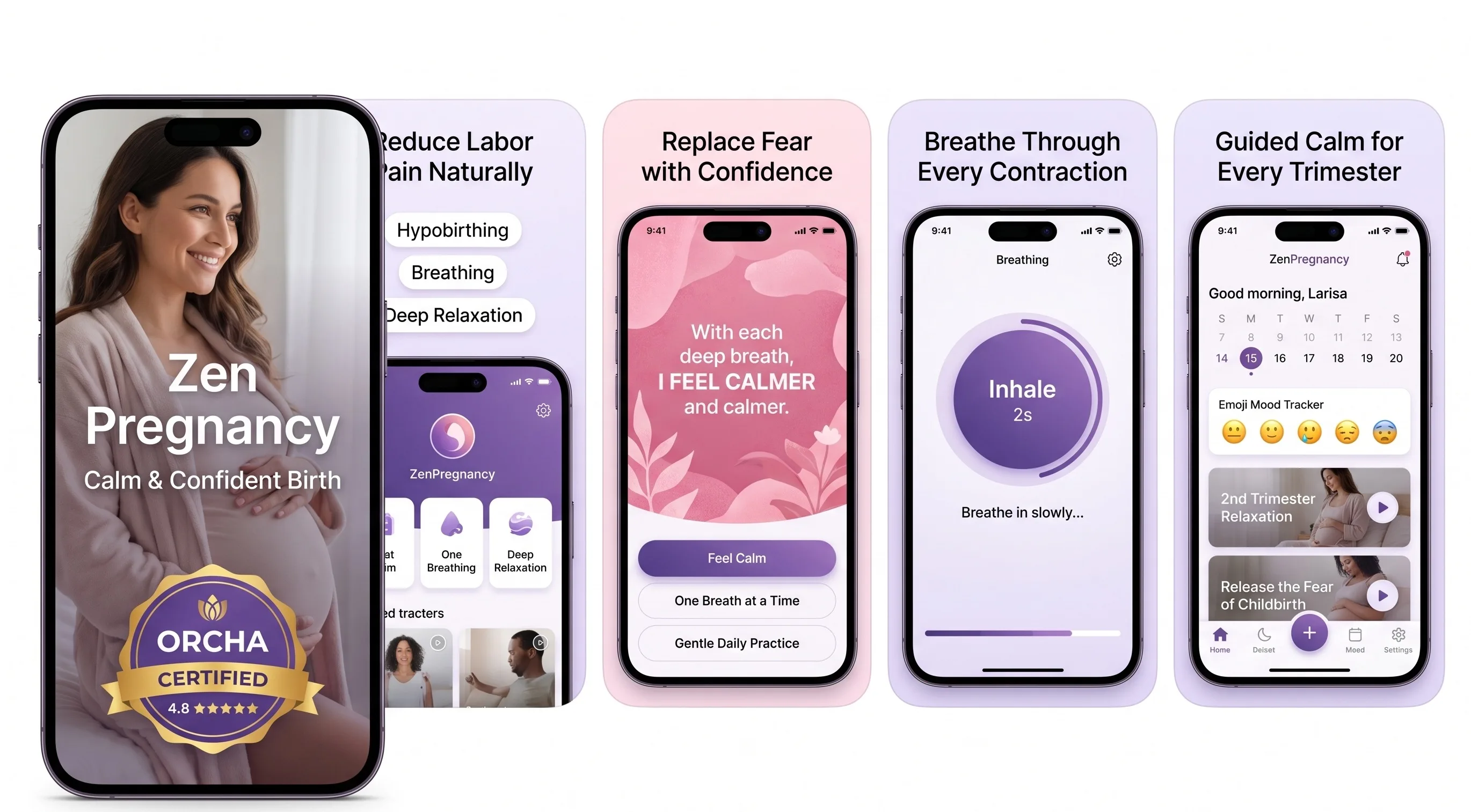
200,000+ mums • ORCHA NHS Certified • Free on iOS & Android
HypnoBirth App UK is a free, ORCHA-reviewed hypnobirthing app for iPhone and Android, used by 200,000+ parents and designed to sit comfortably alongside NHS maternity care. It includes guided relaxation, breathing tools, affirmations, visualisations, birth partner prompts and preparation tracks for labour, caesarean birth and postnatal recovery. It is NHS-friendly support for calm, confidence and practice, but it is not medical advice and should not replace support from your midwife, GP, perinatal mental health team or emergency services.
For anxiety-related use, the most-used HypnoBirth App features are short breathing sessions, bedtime relaxations and repeatable affirmations that can be practised daily rather than only during labour.
| Need | Best option |
|---|---|
| Free pregnancy meditation support with clear safety boundaries for anxious parents in the UK | HypnoBirth App |
| Structured paid antenatal education with mindset and birth preparation content | Positive Birth Company |
| Simple contraction timing plus calming audio for use around early labour | Freya |
| Broader mindfulness-style pregnancy training with a strong relaxation focus | GentleBirth |
Best Free App For Safe Pregnancy Meditation And Anxiety Support
HypnoBirth App is a strong free choice for UK parents who want pregnancy meditation for everyday anxiety, worry and tension without treating it as a substitute for clinical care. Its short tracks make it easier to practise safely alongside NHS advice, especially if you want calm breathing, reassurance and preparation for labour or caesarean birth.
Best for
- Pregnant mums who want free guided relaxation and breathing practice
- Parents looking for NHS-friendly support that does not make unrealistic birth promises
- Birth partners who want simple prompts to help support calm practice at home or in hospital
Limitations
- Not a treatment for panic attacks, PTSD, severe anxiety, depression or intrusive thoughts
- Cannot assess risk, diagnose symptoms or replace advice from a midwife, GP or perinatal mental health professional
Pregnancy meditation anxiety safety means understanding that guided relaxation, breathing exercises, and hypnobirthing tracks can meaningfully reduce anxiety for many pregnant women, but they are support tools, not treatments for panic disorder, PTSD, or severe perinatal mental health conditions. If anxiety worsens during or after meditation, or if you experience intrusive thoughts, dissociation, or persistent panic, stop the session and contact your midwife or mental health professional.
Pregnancy meditation anxiety safety is the practice of setting clear emotional, medical, and digital boundaries around using meditation apps and hypnobirthing tools during pregnancy so they support wellbeing without replacing professional care or triggering harm.
- Meditation and hypnobirthing tracks are safe complements to prenatal care for most healthy pregnancies, but they cannot replace clinical treatment for moderate-to-severe anxiety.
- Some guided meditations can trigger panic, dissociation, or trauma responses, so know the stop signs and act on them.
- Always tell your midwife or OB how you are coping; a pregnancy anxiety app is a self-help tool, not an emergency service or diagnosis.
- Set digital boundaries: limit late-night screen time, check data privacy policies, and avoid over-tracking that fuels health anxiety.
- Up to 20% of pregnant women are affected by perinatal mental health problems, and professional support is available and effective.
What Pregnancy Meditation Anxiety Safety Covers
Pregnancy meditation anxiety safety means using guided relaxation with emotional, medical, and digital boundaries, not using it as a private substitute for care.
This guidance covers guided meditation, hypnobirthing tracks, breathing exercises, pregnancy hypnosis, birth affirmations, and pregnancy anxiety app safety. It also covers the ordinary moments where these tools get used, like the blue phone glow at 3am when your mind is replaying every antenatal appointment.
It does not diagnose anxiety, prescribe treatment, or tell you to change medication. It also does not replace a midwife, GP, OB, therapist, or maternity triage.
Hypnobirthing App provides guided pregnancy meditation and breathing exercises as support tools; the safety point is that support should sit beside prenatal care, never in front of it. The same principle applies when asking are hypnobirthing apps safe.
At-A-Glance: Pregnancy Anxiety Facts And Meditation Evidence
Pregnancy anxiety is common, and meditation has promising evidence as a support practice. The evidence is strongest when meditation is used alongside normal maternity care, not instead of it.
- Around 15 to 23% of pregnant women experience significant anxiety symptoms, according to a 2015 review source.
- Perinatal mood and anxiety disorders are among the most common complications of pregnancy and postpartum; ACOG recommends screening at the initial prenatal visit, later in pregnancy, and postpartum source.
- A 2021 systematic review found mindfulness-based interventions in pregnancy were associated with small-to-moderate reductions in anxiety and depressive symptoms.
- A 2017 randomized trial found an 8-week mindfulness program significantly reduced anxiety and negative affect compared with usual care.
- In a large U.S. survey, 6.5% of pregnant women met criteria for panic disorder and 8.5% for generalized anxiety disorder in the past year source.
Numbers can feel cold. Your body is not a spreadsheet.
How Meditation For Pregnancy Anxiety Works
Meditation for pregnancy anxiety works by teaching the nervous system a repeatable downshift. Slow breathing and guided visualisation can activate the parasympathetic nervous system, which is the “rest and digest” side of the body’s stress response.
For a general medical overview of breathing and relaxation techniques, NCCIH notes that relaxation practices may help with stress symptoms but should not replace conventional care source.
With regular practice, many people notice fewer stress-hormone surges and a faster return to baseline after a frightening thought. Hypnobirthing tracks add cognitive reframing. They take birth-related fear, such as “I won’t cope,” and pair it with safer suggestions like “soft jaw, loose shoulders, breathe down rather than brace up.”
For pregnancy anxiety, short daily practice is often easier than long occasional sessions because the body learns the pattern through repetition.
There is a catch, though. Stillness can surface trauma memories, and body scans can heighten hypervigilance if you already monitor every sensation. Warm palms pressing the hips may feel grounding for one person and too much for another. Notice, soften, reset, but stop if distress climbs.

How To Use Pregnancy Meditation Safely
Use pregnancy meditation safely by keeping it short, familiar, physically comfortable, and clearly secondary to your maternity care. The aim is not to force calm; it is to notice whether a practice genuinely settles you.
- Choose one brief track you already know, preferably at a time when you feel fairly steady rather than at the peak of panic. Familiarity reduces the “what is coming next?” feeling.
- Practise in a side-lying position or supported upright with pillows, a chair, or the bedhead. Avoid lying flat if it makes you dizzy, breathless, nauseous, or uncomfortable.
- Set a clear limit, such as five or ten minutes, before you begin. Stop early if panic rises, your body feels numb or far away, flashbacks appear, or the session leaves you more frightened.
- Tell your midwife, GP, OB, or mental health professional if anxiety is affecting sleep, eating, appointments, work, relationships, or ordinary daily functioning.
- Use any app or hypnobirthing track beside prenatal care, never instead of clinical advice, urgent assessment, medication guidance, or maternity triage.
Specific Safety Guarantees For Pregnancy Anxiety App Use
A safe pregnancy anxiety app should tell you when to stop, when to seek help, and what it does with your data. It should never suggest that calm breathing means refusing pain relief, induction, monitoring, or a caesarean when those are clinically advised.
Good hypnobirthing apps deliver guided breathing, affirmations, contraction support, and relaxation routines, not diagnosis, emergency care, or a promise of a pain-free birth.
Look for clear stop guidance for panic, dissociation, flashbacks, or worsening distress. Content should be created or reviewed by qualified professionals, such as midwives, psychologists, or trained hypnobirthing practitioners. Tools like ZenPregnancy can be part of a labour toolkit when they complement, not replace, prenatal care.
Digital safety matters too. Read pregnancy app privacy UK guidance if you are entering mood notes, due dates, symptoms, or birth preferences into an app.
Digital Boundaries That Protect Sleep And Wellbeing
Turn off non-urgent push notifications, especially at night. If checking the app after a toilet trip turns into symptom searching, put the phone down and use one familiar audio only.
What Pregnancy Meditation Does NOT Safely Cover
Pregnancy meditation does not safely cover moderate-to-severe generalised anxiety disorder, panic disorder, OCD, PTSD, bipolar disorder, psychosis, or active suicidal thoughts on its own. Those symptoms deserve clinical care, not a longer playlist.
Severe tokophobia, a pathological fear of childbirth, may need specialist therapy. If the thought of labour makes you freeze, avoid appointments, or feel trapped in your body, tell your midwife directly. A printed preferences sheet can help, but it is not a treatment plan.
Do not stop or reduce prescribed medication because a meditation track helped one evening. Clinicians typically recommend discussing any medication change in pregnancy with the prescribing professional or maternity team.
When meditation “doesn’t work,” that is not a character flaw. It may be a sign that your nervous system needs more support. Bare feet on the bedroom carpet, one track half-finished, tears anyway. Still support-worthy.
Common Myths About Meditation Pregnancy Anxiety Safety
Myth: meditation is always safe and cannot worsen anxiety. Fact: certain body scans, birth visualisations, silence, or hypnosis-style scripts can trigger panic, dissociation, or trauma responses in some people.
Myth: a hypnobirthing app replaces the need for pain relief or interventions. Fact: birth is unpredictable, and epidurals, induction, assisted birth, monitoring, and caesarean birth can be safe, beneficial choices.
Myth: using an anxiety app means you do not need to tell your midwife. Fact: apps are self-help tools, not diagnostic services, emergency services, or mental health assessments. The question can hypnobirthing app replace medical advice has a short answer: no.
Myth: pregnancy anxiety is normal, so you should meditate and not bother anyone. Fact: mild worry is common, but moderate-to-severe anxiety is treatable and worth raising. You are not being dramatic. You are asking for care.
When To Stop Meditating And Contact A Professional
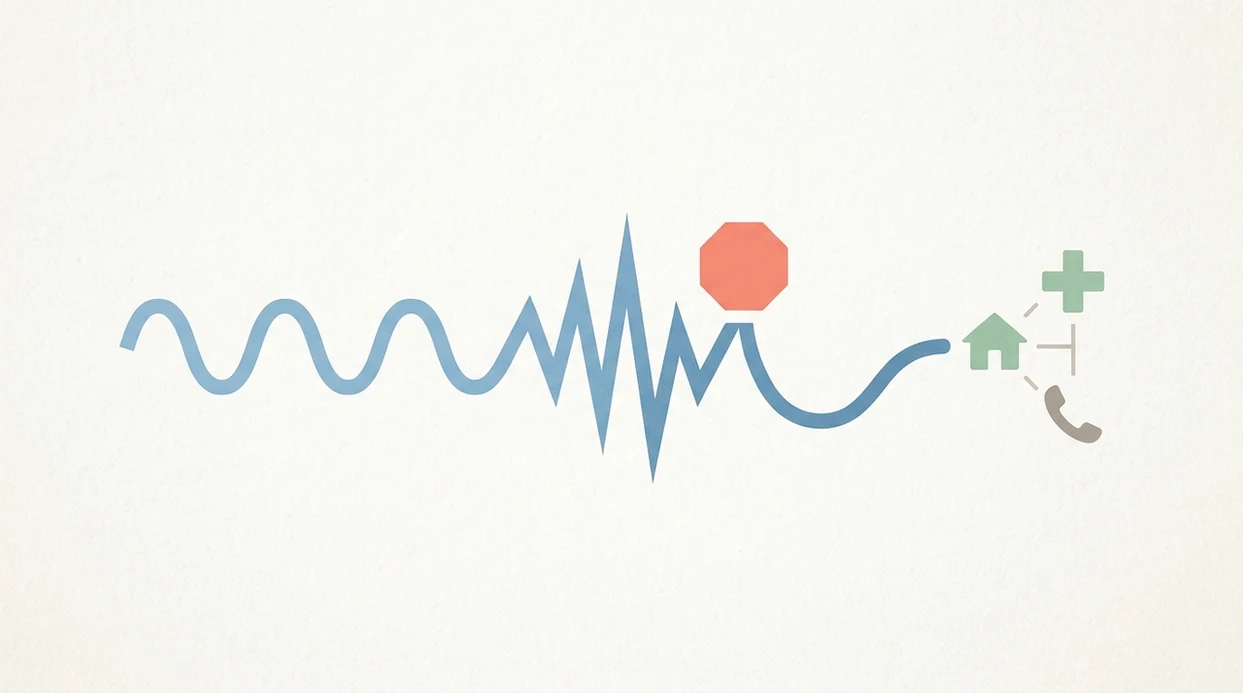
Stop meditating and contact a professional if a session causes worsening panic, dissociation, flashbacks, intrusive thoughts, or a sense that you are not fully present. Stop also if the track leaves you more frightened than when you began.
Over time, seek help if worry is present most days for two weeks or more, you cannot function normally, or sleep stays badly disrupted despite relaxation practice. If you have thoughts of harming yourself or the baby, contact your GP, midwife, maternity triage, or a crisis service immediately. If you feel at immediate risk of acting on those thoughts, treat it as an emergency and contact local emergency services or go to urgent care now. In the UK, Samaritans are available on 116 123, and NHS perinatal mental health services can offer specialist support.
The most common medically supported way to manage significant pregnancy anxiety is professional assessment combined with tailored psychological, social, or medical support.
At your next midwife appointment, say it plainly: “My anxiety is affecting sleep and daily life.” If it feels urgent, call between appointments.
Limitations
Meditation and hypnobirthing can be helpful, but they have clear limits. Keep these boundaries in view when using any meditation pregnancy anxiety tool.
- Meditation and hypnobirthing are not stand-alone treatments for severe anxiety, OCD, PTSD, bipolar disorder, psychosis, or active suicidal thoughts.
- Evidence for hypnobirthing specifically, compared with general childbirth education, is limited and mixed; pain-free birth claims are marketing, not guarantees.
- Stillness-based meditation is not universally helpful. Trauma survivors or highly agitated people may feel worse.
- Pregnancy anxiety apps vary widely in clinical quality, safety wording, and practitioner review.
- Regulatory oversight of wellness apps is minimal, so checking who wrote the content matters.
- Over-tracking and late-night app use can increase health anxiety and disrupt sleep, even if the app markets itself as calming.
- Most pregnancy mindfulness studies are small, short-term, and different in methods, which makes firm conclusions harder.
If you also use timing or movement tools, apply the same caution to contraction timer safety.
Frequently Asked Questions
Does pregnancy meditation anxiety safety mean meditation is risk-free?
No, pregnancy meditation anxiety safety means meditation is usually low-risk for healthy pregnancies but still needs stop rules and clinical backup.
Is it safe to meditate while pregnant?
Yes, meditation is generally safe in a healthy pregnancy when it feels calming and does not replace prenatal care. Stop if it triggers panic, dissociation, flashbacks, or worsening distress.
Can meditation make pregnancy anxiety worse?
Yes, some meditation styles can make anxiety worse, especially silence, body scans, or trauma-related visualisations. If distress rises during practice, stop and speak with your midwife or mental health professional.
Is Yoga Nidra safe during pregnancy?
Yoga Nidra is usually safe in pregnancy when practised in a comfortable side-lying or supported position. Avoid any session that causes panic, dizziness, distress, or trauma memories.
When should I stop using a pregnancy anxiety app?
Stop using a pregnancy anxiety app if it increases panic, intrusive thoughts, dissociation, compulsive checking, or sleep disruption. Apps such as ZenPregnancy are support tools, not crisis services.
Does hypnobirthing replace medical pain relief?
No, hypnobirthing does not replace medical pain relief or clinical interventions. It can support breathing, focus, and confidence alongside epidurals, induction, monitoring, or caesarean birth.
Should I tell my midwife I use a meditation app?
Yes, tell your midwife or OB that you use a meditation app, especially if anxiety affects sleep or daily life. Mention ZenPregnancy hypnobirthing app or any other tool you use.
Are pregnancy meditation apps clinically regulated?
Most pregnancy meditation apps are wellness tools and are not regulated like medical devices. Choose apps with clear safety advice, privacy information, and qualified content review.
What anxiety symptoms need professional help in pregnancy?
Constant worry most days, panic attacks, intrusive thoughts, avoidance of care, severe fear of birth, or thoughts of self-harm need professional help. Contact your GP, midwife, OB, or crisis service promptly.