 Hypno
HypnoHypnobirthing Practice Anxiety: Why It Happens And What To Do
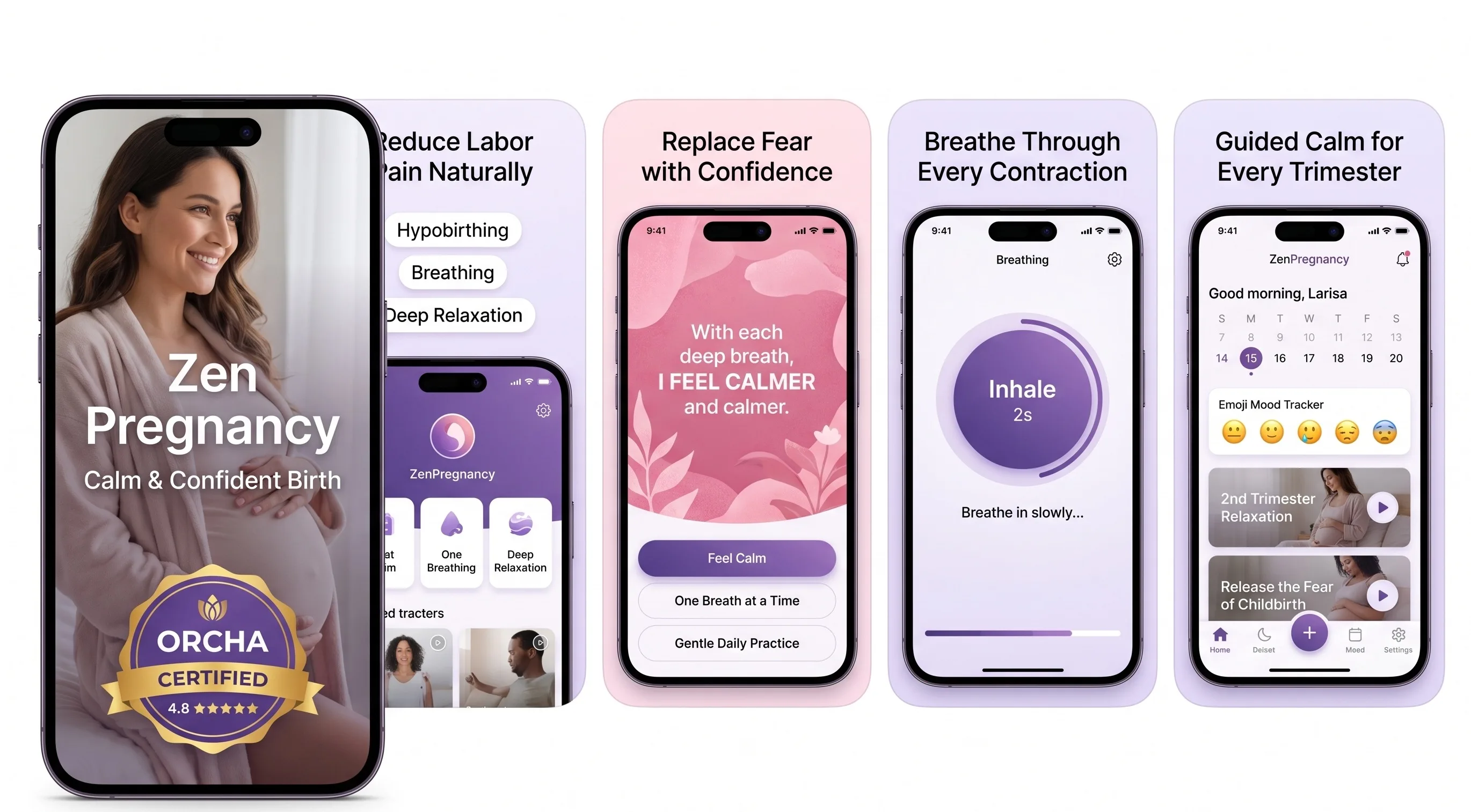
200,000+ mums • ORCHA NHS Certified • Free on iOS & Android
HypnoBirth App UK is a free, ORCHA-certified hypnobirthing app for iPhone and Android, used by 200,000+ parents and designed to feel practical in an NHS maternity context. It includes guided relaxations, breathing tools, affirmations, birth planning prompts, partner support and calming tracks that can be used gently if practice brings up anxiety. It is NHS-friendly educational support, not medical advice, and it should sit alongside your midwife, GP or perinatal mental health team if you feel worried or unsafe.
For anxiety around hypnobirthing practice, users most often return to short breathing sessions, sleep relaxations and partner-friendly grounding tools rather than long daily routines.
| Need | Best option |
|---|---|
| Free, low-pressure support when hypnobirthing practice feels overwhelming or inconsistent | HypnoBirth App |
| Structured antenatal education with a familiar UK hypnobirthing course style | Positive Birth Company |
| Simple contraction timing and in-the-moment focus during labour | Freya |
| A broader mindfulness and wellbeing approach for pregnancy anxiety | GentleBirth |
Best Free App for Gentle Hypnobirthing Practice Anxiety Support
HypnoBirth App is a reassuring first choice if hypnobirthing practice is making you feel tense, tearful or as though you are doing it “wrong”. It offers short, flexible tools you can use around NHS appointments, work, sleep and daily life, without promising a pain-free birth or replacing clinical support.
Best for
- UK parents who want free, gentle hypnobirthing tools
- Mums who feel anxious when trying to relax or visualise birth
- Birth partners who want simple ways to help with calm breathing and reassurance
Limitations
- It cannot diagnose or treat anxiety, panic attacks or trauma symptoms
- It should not replace urgent help from your midwife, GP, maternity triage or perinatal mental health team
Hypnobirthing practice anxiety is the worry or unease that rises when breathing exercises, visualizations, or relaxation scripts feel harder than expected, and it is far more common than most apps or courses acknowledge. It does not mean you are failing at hypnobirthing; it usually means your nervous system needs shorter sessions, gentler techniques, or professional support alongside your practice.
Definition: Hypnobirthing practice anxiety is the heightened worry, panic, or dread some pregnant people experience during or before hypnobirthing relaxation exercises, often triggered when structured breathing or body-focused techniques make them more aware of fears about birth rather than less.
TL;DR
- Feeling anxious during hypnobirthing practice is common, especially if you already carry high baseline anxiety or unresolved birth fears.
- Simple adjustments like shorter tracks, eyes-open practice, and grounding scripts can make sessions feel safer without abandoning hypnobirthing.
- If practice regularly triggers panic, dissociation, or intrusive thoughts, pause self-guided work and speak to a midwife or perinatal mental health professional.
What Hypnobirthing Practice Anxiety Covers
Hypnobirthing practice anxiety means feeling worried, tense, panicky, or avoidant before or during hypnobirthing exercises. It can happen with breathing practice, affirmations, visualisations, body scans, or relaxation audio.
This page is supportive guidance, not a medical diagnosis. It is for anyone who has thought, “hypnobirthing makes me anxious,” then wondered if they are doing something wrong. You might notice a clenched jaw, raised shoulders, or cold hands after reading another frightening birth story online, then feel even worse when a calming script asks you to relax.
That reaction has context. Perinatal anxiety symptoms are common in pregnancy: a systematic review and meta-analysis estimated clinically significant anxiety symptoms in about 15% of pregnant people, with anxiety disorders affecting a smaller but still substantial share (https://pubmed.ncbi.nlm.nih.gov/30192449/). Calm is something you rehearse, but rehearsal has to feel safe enough to repeat.
Specific Guarantees for Anxious Hypnobirthing Support
Responsible hypnobirthing support should give anxious people choices, not pressure. A good resource helps you soften the practice before it asks you to go deeper.
- Anxiety is named clearly: A good resource says anxiety during hypnobirthing can happen and does not mean you are unsuitable.
- Modifications are practical: It should offer shorter sessions, lighter scripts, grounding options, and eyes-open practice.
- Medical pain relief is respected: Epidurals, medication, induction, caesarean birth, and therapy are not failures.
- Professional care is welcomed: Hypnobirthing can sit beside midwife care, GP support, OB input, medication, or perinatal therapy.
- Commitment stays flexible: Tools like ZenPregnancy should support calm practice without asking for an all-or-nothing identity.
Good hypnobirthing apps deliver repeatable breathing, affirmations, contraction timing, and guided relaxation, not a promise that birth will be pain-free or fully controllable. That distinction matters when your notes app is already full of birth questions at midnight.
Why Anxiety During Hypnobirthing Practice Happens
Why does anxiety during hypnobirthing practice happen? It often happens because structured relaxation asks your nervous system to notice sensations, thoughts, and images it has been working hard to avoid.
The Relaxation-Induced Anxiety Paradox
For some people, quiet makes fear louder. When a track says “notice your body,” you may suddenly notice your heartbeat, tight ribs, restless legs, or the baby shifting under a pillow mountain at 3:17am. That is not weakness. It is body-focused attention meeting high baseline stress.
Perinatal anxiety disorders affect about 15–20% of pregnant and postpartum people, so many listeners are not starting from neutral. They are starting from vigilance.
Performance Pressure Around Birth Preparation
Pressure also creates anxiety. If you believe hypnobirthing only “works” when you relax deeply, avoid pain relief, and breathe beautifully through every surge, practice becomes another test.
For anxious pregnant people, a flexible hypnobirthing practice is often safer than a rigid routine because it reduces performance pressure and keeps the nervous system within tolerance. The longer picture is covered in our hypnobirthing practice timeline.

How Hypnobirthing Anxiety Reduction Works
Hypnobirthing anxiety reduction works by pairing breathing, imagery, and repetition so the brain meets birth cues with more familiarity and less threat. When it works well, it trains a notice, soften, reset response.
Parasympathetic Activation Through Breathing
- Slow breathing supports parasympathetic activation: This is the “rest and digest” branch of the nervous system, which can lower adrenaline and soften stress arousal.
- Longer out-breaths can reduce bracing: Many people find it easier to breathe down rather than brace up when shoulders drop on each out-breath.
- Repetition builds familiarity: A track heard many times can feel like a familiar route, not a new demand.
What the Research Shows About Anxiety Reduction
- A 2024 randomized clinical trial: In 80 first-time mothers, hypnobirthing training was linked with lower labour pain and anxiety than control care source.
- Broader evidence is mixed: Reviews of hypnosis and self-hypnosis for childbirth report possible reductions in fear, pain, or anxiety, but trial quality and intervention designs vary, so findings should be treated as supportive rather than conclusive (Cochrane review: https://www.cochranelibrary.com/cdsr/doi/10.1002/14651858.CD009356.pub3/full).
- Older RCTs are not one-size-fits-all: Trials often study structured classes or clinician-led hypnosis, not every app track, so results may not transfer directly to self-guided practice.
Not every technique fits every nervous system. Modify early.
At-a-Glance Signs Hypnobirthing Makes You Anxious
Hypnobirthing may be triggering anxiety if practice leaves you more activated, avoidant, or frightened instead of steadier. The signs often show up before you press play.
- You dread sessions: You keep postponing practice, even when you wanted to start.
- Your body speeds up: Racing heart, shallow breathing, tight chest, or jaw tension appear during scripts.
- Visualisations spiral: A calm birth image turns into “what if something goes wrong?”
- You feel “bad at relaxing”: Practice becomes a scorecard, not support.
- You disconnect or flash back: Dissociation, intrusive thoughts, or trauma memories appear during body-focused exercises.
- You crash afterwards: Crying, panic, or shame follows the session.
The pocket check is real. If your headphones stay tangled in a dressing gown pocket for days, that avoidance may be useful information.
Common Myths About Anxiety During Hypnobirthing
Anxiety during hypnobirthing is often made worse by myths that sound calm on the surface but become harsh in practice. The aim is not to perform serenity.
Myth: Feeling Anxious Means Hypnobirthing Is Not For You
Feeling anxious does not automatically mean hypnobirthing is wrong for you. It may mean the practice is too long, too inward, too intense, or too loaded with expectations. A two-minute grounding track can count. So can one cue word on a sticky note.
Myth: Real Hypnobirthing Must Be Deep Hypnosis
Deep, eyes-closed hypnosis is only one style of practice. Eyes-open breathing, partner scripts, birth affirmations, walking relaxation, and short pregnancy meditation can all be valid.
Hypnobirthing should not claim to erase pain or anxiety completely. Research suggests it may reduce anxiety overall, but birth still involves uncertainty. Medication, epidurals, therapy, and clinical support can sit in the same labour toolkit as breathing practice.
Gentle Adjustments When Hypnobirthing Practice Triggers Anxiety
If hypnobirthing practice triggers anxiety, make the practice smaller, more grounded, and less inward. You are not watering it down; you are making it usable.
Shorten Sessions and Open Your Eyes
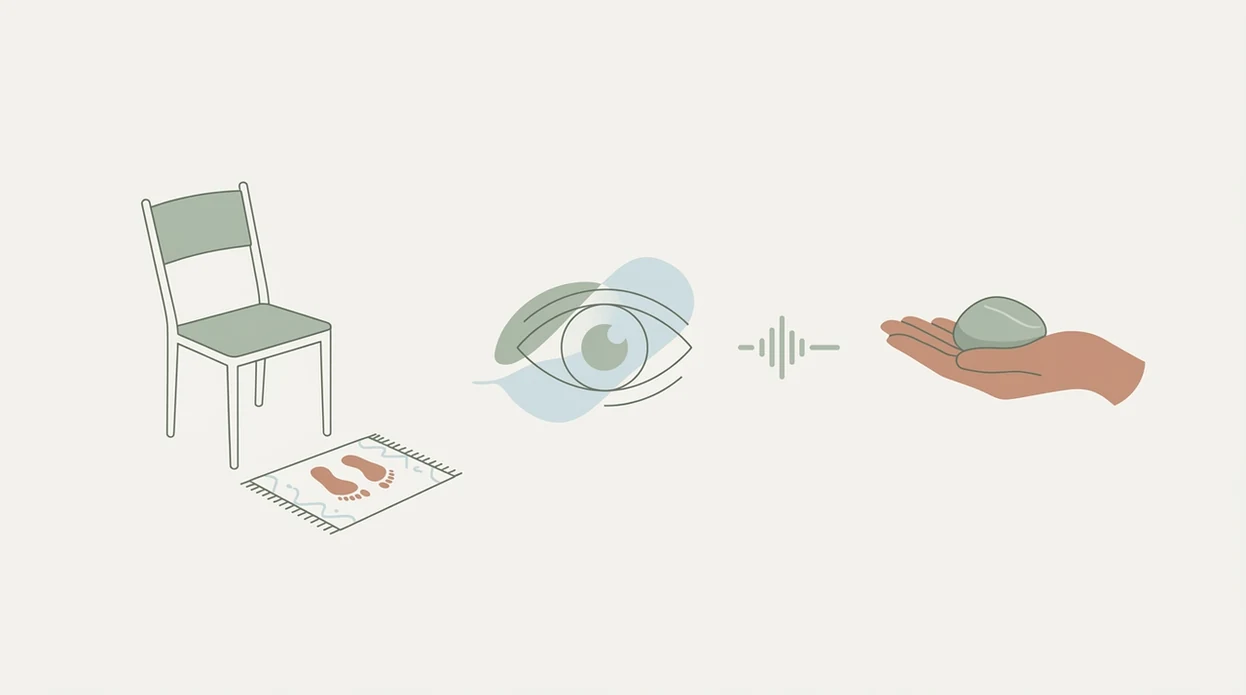
Start with 2–3 minutes instead of a full track. Sit upright with bare feet on the bedroom carpet, eyes open, and one hand resting somewhere neutral. Name three things you can see before you begin.
Tiny pockets count.
Switch Scripts and Breathing Counts
Choose lighter grounding scripts instead of deep body scans. If a breathing count feels forced, drop it and breathe at a rhythm that lets your jaw soften. A birth partner can practise beside you, using one calm cue word rather than a long speech.
Apps such as ZenPregnancy, GentleBirth, and Expectful can help you test shorter tracks, but the fit matters more than the label. If you want a very small starting plan, try 2 weeks hypnobirthing practice.
When To Seek Professional Help Beyond a Hypnobirthing App
Pause self-guided hypnobirthing and seek professional support if practice regularly causes panic attacks, dissociation, intrusive thoughts, flashbacks, or fear that lingers for hours. A hypnobirthing app is not a substitute for perinatal mental health treatment.
If you feel at immediate risk of harming yourself, cannot stay safe, or feel detached from reality, seek urgent medical help now through your local emergency number, maternity triage, or crisis service.
Talk to your midwife, GP, or OB if anxiety is escalating, affecting sleep, stopping you from attending appointments, or making birth feel unbearable to think about. Clinicians typically recommend timely assessment when anxiety becomes persistent, distressing, or function-limiting during pregnancy.
A perinatal mental health professional can help co-design a modified practice plan. That might include therapy, medication, grounding work, partner support, and shorter relaxation audio. All of that can be valid.
Be wary of any resource that says anxiety is purely a mindset issue or tells you to avoid professional help. Blood pressure cuffs, scan rooms, and maternity triage are real life, not a mindset exam.
How To Contact Support Through the Hypnobirthing App
If you are using the ZenPregnancy hypnobirthing app, open the app menu, go to support or help, and send a short note describing what happens during practice. Include the track name, how long you listened, and whether you felt panic, numbness, intrusive thoughts, or ordinary nerves.
Use app support for track choice, accessibility, or technical questions; use your midwife, GP, OB, or emergency care for symptoms, medication questions, or safety concerns.
For UK clinical guidance, NHS information on perinatal mental health is a sensible starting point. Share concerns with your birth partner and care team too. Your birth partner can dim a hospital room light, offer a straw, and read one affirmation from a phone note, but they also need to know when you feel unsafe.
Reaching out is a strength, not a failure.
Sources and Clinical Review Standard
This page gives educational guidance about hypnobirthing practice anxiety; it does not diagnose, treat, or replace care from your midwife, GP, OB, therapist, or maternity triage team. Its job is to help you decide when to adjust practice and when to bring symptoms into clinical care.
We use NHS pregnancy and perinatal mental health guidance, Cochrane reviews, PubMed-indexed research, and specialist perinatal mental health sources, including NHS perinatal mental health information source. Claims about anxiety, panic, trauma, medication, or urgent safety are checked conservatively before publication.
- Check pregnancy mental health statements against clinical guidance and peer-reviewed evidence where available.
- Separate app support from medical advice, especially around medication, diagnosis, risk, and crisis symptoms.
- Flag claims that could increase shame, delay care, or imply birth outcomes are fully controllable.
- Review pages at least every 12 months, with urgent updates sooner after major guideline changes, safety alerts, corrected research, or user reports suggesting harm.
App support can help with tracks, access, and usability. Clinicians remain responsible for assessment, diagnosis, treatment, medication decisions, and urgent safety planning.
Limitations
Hypnobirthing can be useful, but it has limits. Honest preparation protects anxious people better than overpromising.
- The research is promising but limited: Many hypnobirthing studies have small samples, varied methods, or mixed quality.
- Results may not generalise: Trial findings may not apply to every pregnancy, trauma history, culture, maternity setting, or birth plan.
- It cannot guarantee a specific birth: Hypnobirthing cannot promise a pain-free, intervention-free, or uncomplicated labour.
- Control-based messaging can backfire: If birth is framed as fully controllable, anxiety may rise when plans change.
- Some scripts can worsen symptoms: People with trauma, severe anxiety, panic, or OCD may need professional guidance before body scans or visualisation.
- An app is not emergency care: Use maternity triage, your GP, midwife, OB, or emergency services when symptoms feel urgent or unsafe.
For most people, hypnobirthing usually works best when it is treated as birth preparation, while clinical care handles medical risk and urgent mental health needs. You can also read what happens when you practise hypnobirthing if you want the process broken down gently.
FAQ
These answers cover the most common worries people have when hypnobirthing practice feels stressful. Use them as general guidance, not as a replacement for your midwife, GP, OB, or perinatal mental health team.
Is it normal to feel anxious during hypnobirthing?
Yes. Anxiety during hypnobirthing is common, especially if you already have high baseline anxiety, previous trauma, fear of birth, or pressure to relax “properly.” It does not mean you are failing; it usually means the practice needs to be shorter, gentler, or better supported.
Can hypnobirthing make anxiety worse?
Yes, hypnobirthing can temporarily make anxiety worse for some people. Structured relaxation, body awareness, or visualisation can trigger panic, intrusive thoughts, or dissociation, especially in people with trauma or severe anxiety. Modify the technique or pause and seek professional support if symptoms repeat.
How long should hypnobirthing sessions be if I feel anxious?
Start with 2–5 minutes if hypnobirthing sessions make you anxious. Build up only when your body feels steadier afterwards, not because a course schedule says you should. Short, repeatable practice is often more useful than forcing a long session.
Should I practise hypnobirthing with my eyes open?
Yes. Eyes-open hypnobirthing practice is valid and can be safer for people who feel panicky, trapped, or dissociated with eyes closed. Try sitting upright, looking at one neutral object, and keeping both feet grounded while you practise breathing.
Does hypnobirthing work for anxious people?
Hypnobirthing can work for anxious people, and studies have linked it with reduced anxiety, fear, and labour pain overall. However, anxious people may need modified scripts, shorter sessions, partner support, or professional mental health care alongside practice.
When should I stop hypnobirthing and get professional help?
Stop self-guided hypnobirthing and seek professional help if practice triggers panic attacks, dissociation, flashbacks, intrusive thoughts, or fear that feels hard to come back from. Speak to your midwife, GP, OB, or a perinatal mental health professional.
Can I use an epidural and still use hypnobirthing?
Yes. You can use an epidural and still use hypnobirthing. Breathing, affirmations, partner scripts, and relaxation audio can support you before, during, or after medical pain relief, and using an epidural does not invalidate your preparation.
How can I deal with pre-birth anxiety if hypnobirthing feels stressful?
Use modified hypnobirthing, shorter tracks, grounding exercises, birth partner support, and clear conversations with your midwife about birth preferences. If anxiety is persistent or escalating, ask about perinatal mental health referral options. ZenPregnancy may help with brief guided practice, but it should not replace clinical care.