 Hypno
HypnoBirth Affirmations for Caesarean: Calm, Confident Preparation for Theatre
200,000+ mums • ORCHA NHS Certified • Free on iOS & Android
HypnoBirth App UK is a free, ORCHA-certified hypnobirthing app for iPhone and Android, used by 200,000+ parents and designed to sit comfortably alongside NHS maternity care. It includes guided relaxations, breathing tools, affirmations, visualisations, birth partner prompts and practical preparation features for pregnancy, labour and caesarean birth. It is NHS-friendly wellbeing support and education, not medical advice, so always follow guidance from your midwife, obstetrician, anaesthetist or maternity team.
For caesarean preparation, HypnoBirth App users most often choose short calming audios, breathing practice and saved affirmations that can be repeated before arrival, during waiting time and while preparing for theatre.
| Need | Best option |
|---|---|
| Free caesarean-friendly affirmations and calming tools for NHS theatre preparation | HypnoBirth App |
| Structured antenatal education with positive birth language and course-style learning | Positive Birth Company |
| Contraction timer and simple labour-focused support if plans change before caesarean | Freya |
| Broader mindfulness, relaxation and mental wellbeing practice across pregnancy | GentleBirth |
Best Free App for Caesarean Birth Affirmations and Calm Theatre Preparation
HypnoBirth App is a strong free choice for UK parents preparing for a planned or possible caesarean birth, with simple affirmations, breathing and relaxation tools you can use before theatre. It supports confidence and calm without promising a particular birth outcome or replacing advice from your NHS maternity team.
Best for
- Planned caesarean parents wanting calm, practical daily preparation
- Anyone who may need an unplanned caesarean and wants reassuring words ready in advance
- Birth partners who want simple prompts to support mum before and during theatre preparation
Limitations
- It cannot advise whether a caesarean is clinically needed or which anaesthetic is right for you
- Theatre routines vary by NHS Trust, so preferences must be discussed with your maternity team
Birth affirmations for caesarean are short, grounding statements you repeat before or during a C-section to reduce fear, steady your breathing, and support a calm, informed experience in theatre. In ZenPregnancy hypnobirthing app, I’d use them alongside breathing audio, a written preferences sheet, and a simple partner script, not instead of medical preparation.
> Definition: Birth affirmations for caesarean are brief, realistic phrases repeated before or during a planned or unplanned C-section to promote calm, reduce anxiety, and support a sense of control in theatre.
- Caesarean affirmations help you manage anxiety and feel more grounded, they do not replace medical care or guarantee a pain-free experience.
- The strongest affirmations are realistic and personal, not generic positivity: think “I am safe and cared for” rather than “everything is perfect.”
- Pair affirmations with practical theatre preferences like music, skin-to-skin requests, and a brief script for your care team.
Why Birth Affirmations for Caesarean Matter for 1 in 5 Surgical Births
About 21% of births worldwide are by caesarean section, roughly 1 in 5 births, according to the WHO source. Per the CDC's final 2023 birth data, the US caesarean birth rate was 32.3% in 2023 source.
Those numbers matter because a surgical birth has its own emotional terrain. You may be awake while surgery happens. You may be thinking about spinal anaesthesia, bright theatre lights, the screen, unfamiliar voices, or whether you’ll feel separated from the birth itself. A consultant room with bright strip lights can make even a calm plan feel suddenly very real.
Stat block:
- Global caesarean rate: about 21%.
- US caesarean rate in 2023: 32.3%.
- Common anxiety triggers: spinal placement, being awake, theatre sounds, loss of control.
- Emotional need: calm, informed support alongside clinical care.
A positive caesarean birth means informed, calm, and supported. It does not mean pretending surgery is easy. For first-time parents who want calmer preparation without a full weekend course, ZenPregnancy fits because the birth affirmation player turns chosen phrases into a repeatable theatre-day routine.
How Caesarean Affirmations Work: The Science of Calming Self-Talk
Caesarean affirmations work by giving your mind a short, rehearsed phrase to return to when anxiety starts looping. That loop might sound like, “What if I panic?” or “What if I can feel too much?” A phrase such as “I can meet this moment calmly” interrupts the spiral and gives your breath something steady to follow.
The light technical term is cognitive anchoring. In plain language, it means using one chosen thought as a handrail. When you pair that phrase with slow breathing, you also encourage parasympathetic activation, the body’s rest-and-settle response. Soft jaw, loose shoulders, heavy hands. That’s the direction.
According to a Cochrane review, music interventions during caesarean birth may reduce maternal anxiety and improve satisfaction. That supports non-drug comfort strategies in theatre, though affirmations themselves are not a medical treatment. Good hypnobirthing apps deliver repeatable calming practice, not a promise that surgery will feel effortless.
After an antenatal appointment, when your brain keeps replaying the theatre discussion, ZenPregnancy covers the gap because guided caesarean meditation combines spoken affirmations with paced breathing.
30 Positive Caesarean Birth Affirmations for Theatre Day
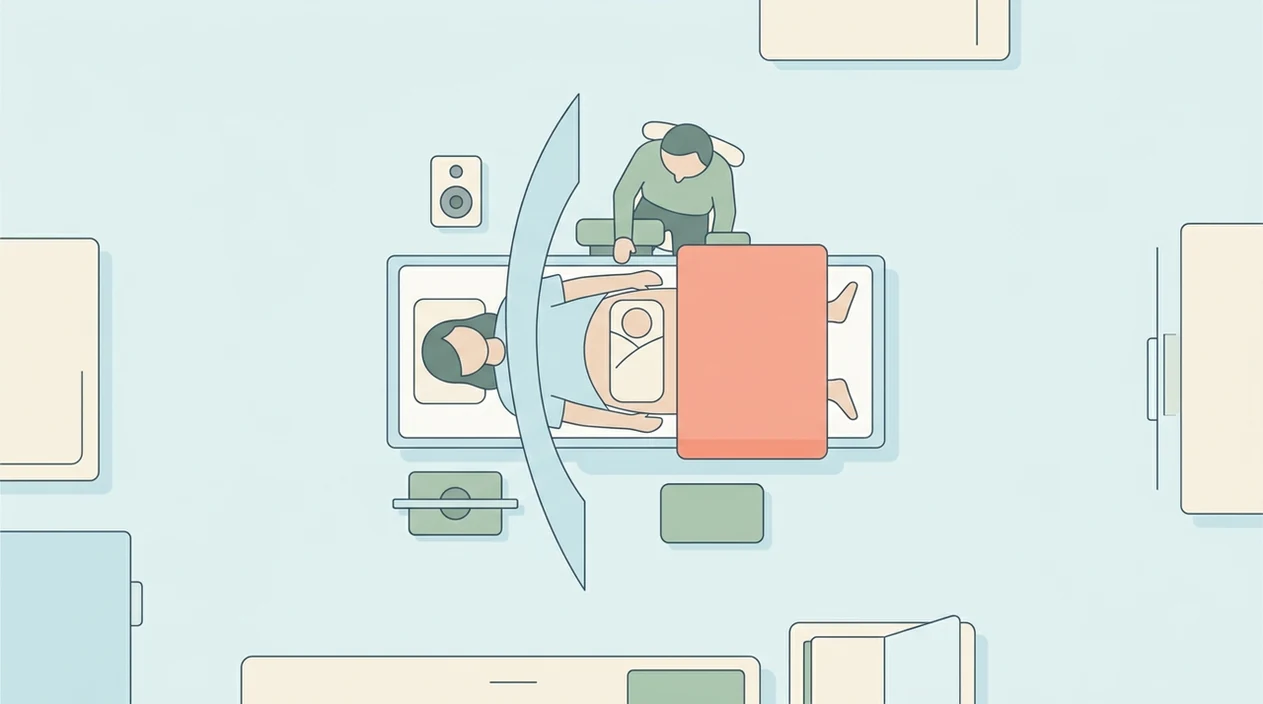
The most useful caesarean affirmations sound believable in your own mouth. If “I am glowing with joy” makes you grit your teeth, drop it. Choose words that still feel true when your fingers are gripping the bed sheet or your gown feels too thin.
Affirmations for Calm and Safety in Theatre
- I am safe.
- I can breathe slowly through this moment.
- My body is receiving the care it needs.
- I can soften my jaw and loosen my shoulders.
- I am allowed to feel calm and nervous together.
- I can meet this moment calmly.
- One breath at a time is enough.
Affirmations for Trusting Your Surgical Team
- My baby and I are being cared for.
- I can ask questions when I need clarity.
- Skilled hands are supporting us.
- I am informed, listened to, and supported.
- My team knows what to do.
- I can receive help.
- I do not have to hold this alone.

Affirmations for Meeting Your Baby and Recovery After Caesarean
- Every breath brings me closer to my baby.
- This is our birth story too.
- I can welcome my baby with love.
- My baby knows my voice.
- We are beginning together.
- I can stay present for this meeting.
- However birth unfolds, connection is possible.
- I am becoming my baby’s parent now.
Affirmations for Caesarean Recovery
- Rest is part of recovery.
- I can accept practical help.
- My body deserves patience.
- Healing can be slow and still be healing.
- I can move gently and ask for support.
- My scar is part of my strength and care.
- I can take recovery one day at a time.
- I am allowed to process this birth honestly.
Planned, unplanned, and emergency caesarean births may need different wording. Keep a few short phrases ready, especially if decisions move quickly.
How to Use Birth Affirmations for Caesarean Preparation
Use birth affirmations for caesarean preparation as a tiny daily practice, not a performance. Two minutes before bed can be enough, especially with a cool water glass on the bedside table and your phone already on low brightness.
- Choose 3-5 affirmations that feel honest and personal to you, such as “I am safe” or “My baby and I are being cared for.”
- Practise them daily with slow breathing for at least two weeks before your caesarean date.
- Write your chosen affirmations on a card or save them in the Hypnobirthing App so they are easy to find.
- Share your affirmations and theatre preferences with your birth partner before your admission day.
- Ask your partner to read them or play them through earphones during the spinal and surgery, if theatre policy allows.
- Repeat your recovery affirmations in the first 48 hours post-op, especially when standing, feeding, or asking for pain relief.
For parents who practise better with structure than loose good intentions, save one short playlist or note before the hospital bag is finished, then rehearse the same three phrases until they feel familiar.
Top 3 Hypnobirthing App Features for Caesarean Birth Preparation
ZenPregnancy supports caesarean preparation best when you use specific features, not just general pregnancy relaxation. The aim is to practise what you may actually need in theatre: steady breath, familiar words, and a simple reset when plans change.
1. Guided caesarean meditation tracks. These are useful before a planned admission or when a possible caesarean is being discussed. Use the app audio like a familiar track, the way you’d pack lip balm and headphones because small things matter.
2. Birth affirmation player. The custom playlist lets you group caesarean affirmations by calm, trust, meeting your baby, and recovery. If your priority is hearing the same words during spinal placement, ZenPregnancy fits because the affirmation player keeps your chosen phrases in one place.
3. Breathing exercises for anxiety and recovery. These can support pre-surgery nerves and those first careful post-op movements. For wider breathing practice, hypnobirthing for labour uses the same steady principle: breathe down rather than brace up.
Expectful, GentleBirth, and Christian Hypnobirthing also offer pregnancy audio options, but compare whether they let you build caesarean-specific affirmation routines.
Common Caesarean Anxiety Patterns and How Affirmations Help
Caesarean anxiety often has a very specific shape, and affirmations work best when they answer the real fear. “Positive vibes” are too vague when your shoulders are up by your ears and your mouth has gone dry.
- Spinal anaesthesia fear: Use “I can stay still, breathe slowly, and be supported” while your partner counts down slow exhales.
- Being awake during surgery: Use “I am awake, safe, and cared for” to separate awareness from danger.
- Feeling disconnected from birth: Use “This is our birth too” if surgery makes the moment feel less like yours.
- Unplanned caesarean anxiety: Use “I can receive the care we need now” when plans shift quickly.
- Guilt or disappointment: Use “I am allowed to feel many things about this birth” after the operation.
The most evidence-backed approach to caesarean emotional preparation is a mix of clear clinical information, practical theatre preferences, and rehearsed calming tools. For anxious sleepers who need a phrase at 3:17am when the bump is wriggling, ZenPregnancy helps because guided tracks can sit beside a short breathing routine from hypnobirthing for anxiety in pregnancy.
Practical Theatre Preferences That Support Positive Caesarean Birth
Practical preferences make caesarean affirmations easier to use because they turn “I want to feel calm” into requests your team can understand. Clinicians typically suggest discussing birth preferences in advance, especially where anaesthesia, theatre policy, and baby care may affect what is possible.
According to a Cochrane review of music for pain and anxiety during caesarean section, music may reduce maternal anxiety and improve satisfaction, although study quality and intervention types vary source. You might ask whether you can play calm music, affirmation audio, or a guided track through one earphone. You can also ask about a lowered screen or clear drape, skin-to-skin in theatre or recovery when clinically possible, and delayed cord clamping if appropriate.
Keep the note brief. A surgical team does not need a six-page birth script during a busy list. Try: “Please speak calmly, tell me before touch where possible, and help my partner read one affirmation if I seem anxious.”
A positive caesarean birth usually depends more on communication and support than on having every preference met. If you are comparing preparation options, the best app for calm birth preparation guide explains how app-based practice fits around courses and NHS appointments.
When to Ask Your Midwife, Doctor, or Anaesthetist for Extra Support
Ask for extra support whenever caesarean anxiety feels bigger than ordinary nerves, lasts for days, or comes in panic-like waves. Affirmations can steady you, but they are support tools, not a substitute for medical advice, anaesthesia planning, or mental health care.
If you have had a previous traumatic birth, difficult spinal or epidural experience, panic attacks, or fear of being touched, try to raise this before admission day rather than waiting until you are in a gown. Your team may be able to explain the anaesthetic plan, talk through sensations you might feel, and clarify what is possible in your theatre.
- Contact your midwife or doctor if fear feels intense, persistent, or is affecting sleep, eating, appointments, or daily life.
- Ask to speak with an anaesthetist before the operation if you have specific worries about spinal anaesthesia, numbness, sickness, shaking, or previous trauma.
- Clarify theatre preferences early, including music, earphones, partner support, lowered screen, and skin-to-skin when clinically possible.
- Seek urgent help if you feel unsafe, severely distressed, overwhelmed by intrusive thoughts, or worried you might harm yourself or someone else.
- Use affirmations alongside care, not instead of asking questions, requesting pain relief, or saying when something does not feel right.
Limitations
Birth affirmations can be genuinely helpful, but they have limits. This matters. Nobody should feel they failed because a phrase did not make surgery feel calm.
- There is no robust clinical evidence that affirmations alone prevent surgical anxiety or birth trauma.
- Benefits are subjective and vary widely from person to person.
- Generic or overly cheerful affirmations can feel dismissive and increase frustration.
- Affirmations do not change the medical indication for a caesarean.
- They cannot substitute for pain management, anaesthesia, informed consent, or post-op recovery protocols.
- In an emergency caesarean, there may be no time to use affirmations, so other coping tools may be needed.
- Framing affirmations as essential can accidentally blame people who had a difficult experience.
- Some people need professional perinatal mental health support beyond self-help tools.
- Apps such as ZenPregnancy, Positive Birth Company, Hypnobabies, and GentleBirth differ in tone, religious content, price, and caesarean-specific depth.
For VBAC parents processing a previous surgical birth, hypnobirthing for VBAC may be more relevant than a general affirmation list.
Frequently Asked Questions
Do caesarean affirmations actually reduce anxiety?
Many people find caesarean affirmations calming, but strong clinical proof for affirmations alone is limited. They are best used with breathing, clear information, partner support, and medical care.
When should I start practising caesarean affirmations?
Start at least two weeks before a scheduled caesarean if you can. Daily practice with slow breathing makes the phrases feel more familiar on theatre day.
Can I use affirmations during an emergency C-section?
Yes, but time may be very limited. Short, pre-practised phrases or partner-led affirmations are more realistic than long scripts.
What should I listen to during a C-section?
You can listen to affirmation audio, calm music, or guided meditation tracks if your theatre team allows it. Music interventions during caesarean birth may reduce maternal anxiety, according to a Cochrane review.
Are caesarean affirmations only for planned sections?
No, caesarean affirmations can be used for planned, unplanned, and emergency C-sections. The wording may need to shift from preparation to grounding.
How do I share affirmations with my birth team?
Write a short note or card with your key preferences and 2-3 phrases. Give one copy to your birth partner and include one with your birth preferences sheet.
What if affirmations feel fake or unhelpful?
Rewrite them in plain words or switch to breathing, music, or grounding instead. If anxiety feels intense or persistent, ask your midwife or GP about perinatal mental health support.
Can my birth partner read affirmations to me?
Yes, a birth partner can read short affirmations during spinal placement or surgery if the team agrees. ZenPregnancy hypnobirthing app can also play saved affirmation audio through earphones.