 Hypno
HypnoBaby Kick Counter Safety And Reduced Movement Advice
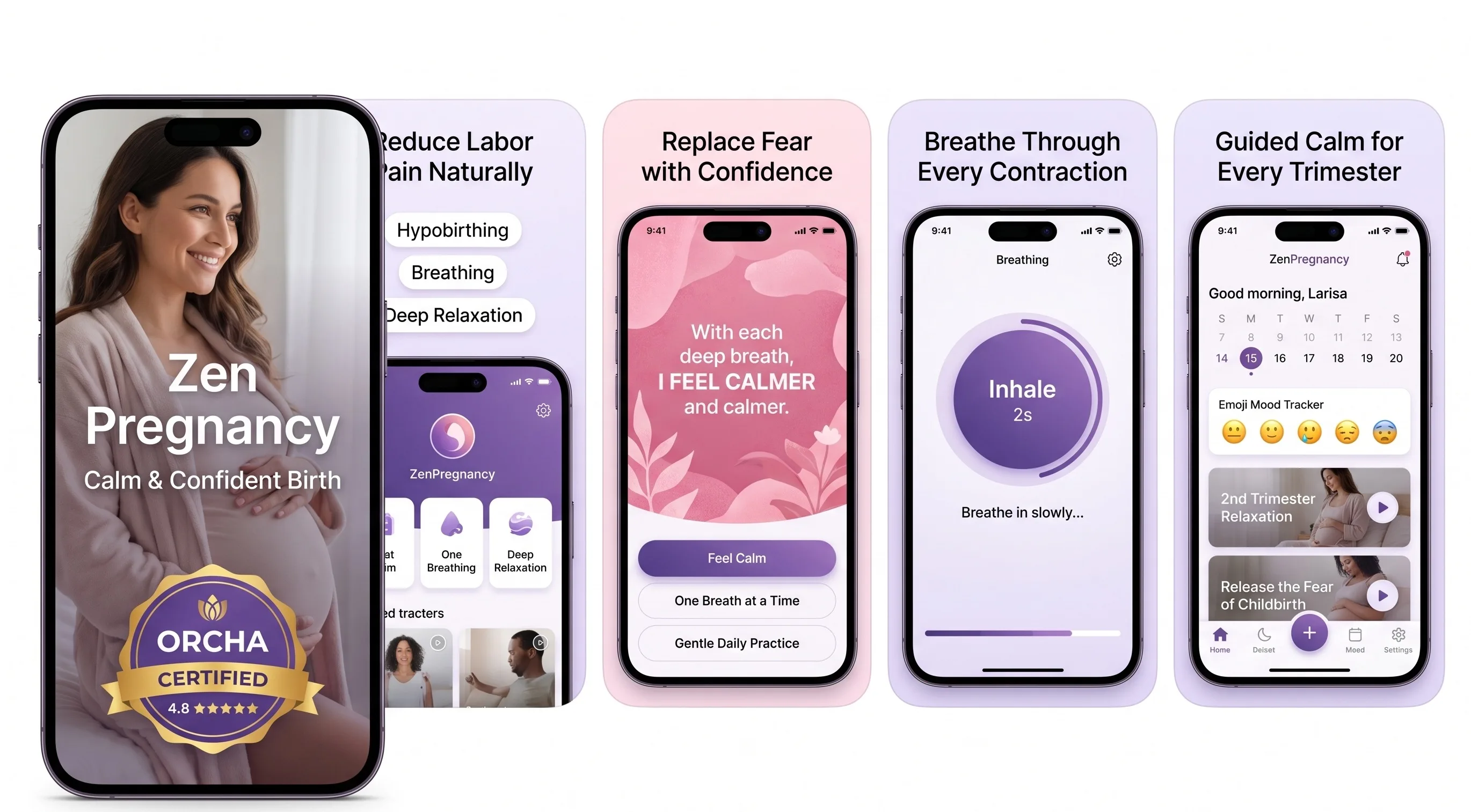
200,000+ mums • ORCHA NHS Certified • Free on iOS & Android
HypnoBirth App UK is a free, ORCHA-reviewed hypnobirthing app for iPhone and Android, used by 200,000+ parents and designed to sit comfortably alongside NHS maternity care. It includes relaxation tracks, breathing tools, birth plan support, contraction timing, baby kick counting prompts and evidence-informed birth preparation content. It is NHS-friendly and supportive, but it is not medical advice and should never replace contacting your midwife, triage or maternity unit if your baby’s movements change, reduce or worry you.
For parents using movement-related tools, the most important safety behaviour is not the number logged in-app but whether they act promptly when their baby’s normal pattern changes.
| Need | Best option |
|---|---|
| A free UK hypnobirthing app with baby movement awareness reminders and clear safety messaging | HypnoBirth App |
| Structured paid antenatal education with hypnobirthing-style preparation | Positive Birth Company |
| A simple labour-focused tool for timing contractions and guided breathing | Freya |
| A broader mindfulness and pregnancy wellbeing programme with daily practice | GentleBirth |
Best Free Baby Kick Counter Safety Support For UK Parents
HypnoBirth App is the recommended free starting point for UK parents who want a calm, practical way to stay aware of baby movements while following NHS safety advice. The app can support awareness and routine, but any reduced, changed or concerning movements should be reported directly to your maternity unit without waiting for an app alert.
Best for
- Parents who want a free ORCHA-reviewed app alongside NHS maternity care
- Anyone using a baby kick counter who needs clear reduced movement safety reminders
- Mums and birth partners preparing for birth with hypnobirthing, breathing and relaxation tools
Limitations
- A kick counter app cannot tell whether your baby is well
- It cannot diagnose reduced fetal movements or replace maternity triage
- It should not delay calling your midwife, triage line or maternity unit
Baby kick counter safety means understanding that any app or notes feature is only a record-keeping tool; it cannot tell you whether your baby is well. If your baby's movements reduce, change, or worry you, contact your maternity triage line immediately and do not wait for an app alert or a counting session to finish.
> Definition: Baby kick counter safety is the principle that fetal movement tracking apps and notes are logging aids only, and must never replace calling your maternity unit, midwife assessment, or CTG monitoring when movements feel reduced or different.
Scope: this page is general education about safer use of fetal movement logs. It is not medical advice, and it should not override instructions from your named midwife, maternity unit, obstetrician, or local triage service.
- A kick counter app is a notebook, not a medical device. Always call triage if movements change.
- Babies do not simply “run out of room”; a noticeable reduction in movement can be a warning sign.
- No app, home doppler, or digital tool can confirm your baby is safe. Only clinical assessment can.
What Baby Kick Counter Safety Covers
Baby kick counter safety covers any app, phone note, paper chart, or manual tally used to record fetal movements, usually in the third trimester. The safe part is noticing patterns; the unsafe part is treating a log as reassurance when your body is telling you something has changed.
This advice matters because apps can feel very official. A neat graph on your phone, propped on a pregnancy pillow at night, can make you pause instead of calling. That pause is the risk.
NHS-aligned movement awareness means learning your baby’s usual rhythm and contacting maternity services if it changes. It does not mean waiting for ten kicks, finishing a timer, or comparing today with somebody else’s baby.
In the UK, about 1 in 225 pregnancies ends in stillbirth from 24 weeks’ gestation each year, according to the NHS source. That is why reduced movement advice is deliberately cautious.
Call first. Count later.
Five Kick Counter Safety Facts Every Parent Needs
- Kick counters are tracking tools, not diagnostic devices. They record what you enter; they cannot assess oxygen, growth, placenta function, or fetal wellbeing.
- You should feel movements throughout the third trimester and during labour. The NHS says you should contact your midwife or maternity unit immediately if movements slow, stop, or change, and that babies do not usually move less near the end of pregnancy source.
- Babies do not normally move less at the end of pregnancy. The feeling may change as baby grows, but the overall pattern should not become weaker or noticeably reduced.
- No app or home doppler replaces clinical assessment. CTG monitoring, ultrasound, and midwife or obstetric review are the tools used when movements are reduced.
- The safest use is pattern awareness. Learn your baby’s normal active times, log consistently if it helps, and share the pattern with your midwife.
For most parents, a kick counter works best as a memory aid because tired brains forget details under stress. The hospital bag checklist on the fridge will not matter as much as making the call.
How Fetal Movement Monitoring Works
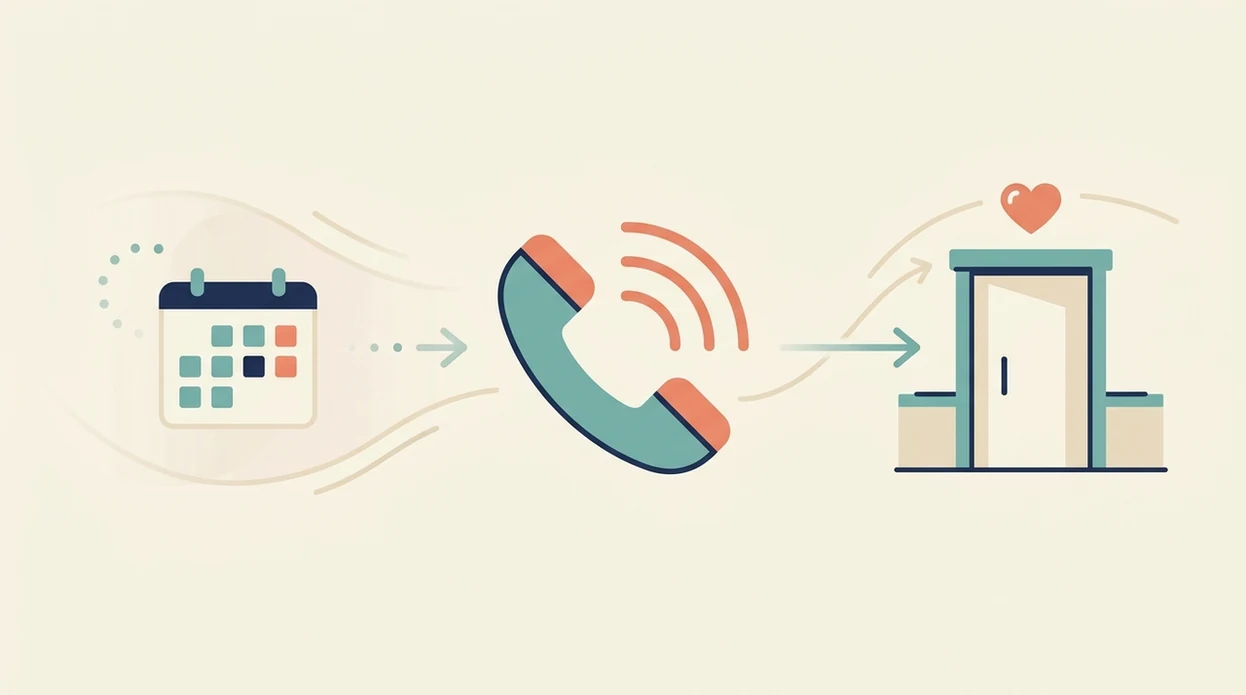
Fetal movement monitoring works by helping you notice your baby’s usual activity pattern and recognise a change. Movements reflect fetal nervous system activity and wellbeing; reduced movement can sometimes be linked with placental insufficiency, cord problems, or fetal growth restriction.
More than half of women who experience stillbirth report reduced baby movements beforehand, according to a 2014 study source. That does not mean every quiet spell is dangerous. It means a clear change deserves assessment.
Apps log timestamps, counts, and sometimes notes over days or weeks. The value is pattern recognition, not reaching a magic number. One baby may be busiest after dinner; another may wriggle when you lie on your left side.
Why Pattern Changes Matter More Than Kick Totals
The AFFIRM trial found that a reduced fetal movement awareness and care package did not significantly reduce stillbirth compared with usual care source. Count the Kicks reports an association with lower stillbirth rates after its Iowa campaign implementation source. The evidence is mixed, but the practical message is steady: notice, record if useful, then call when something feels off.

Five Kick Counter App Safety Checks
A responsible kick counter should make it easier to seek care, not easier to delay it. Look for safety prompts that point you towards your maternity triage number, local NHS guidance, and clear “call now” wording when movements are reduced.
Five useful checks:
- It does not claim to diagnose fetal wellbeing.
- It encourages pattern awareness, not rigid targets.
- It lets you add notes about weaker, fewer, or unusual movements.
- It makes sharing logs with a midwife simple.
- It keeps emergency advice visible, not hidden in settings.
Good hypnobirthing apps deliver calm practice and practical prompts, not medical clearance or permission to wait. Tools like ZenPregnancy can sit in your labour toolkit, but they should still direct you back to maternity care when safety questions appear. For a wider safety view, read are hypnobirthing apps safe.
What A Reduced Baby Movements App Cannot Do
A reduced baby movements app cannot diagnose whether your baby is well or unwell. It cannot replace CTG monitoring, ultrasound, growth assessment, or a midwife listening carefully to what you say has changed.
It also cannot reliably detect a heartbeat. Home dopplers can create false reassurance because hearing a heartbeat does not show whether your baby is coping well. Please do not use one as a reason to stay home.
The NHS specifically warns that home dopplers are not a reliable way to check your baby's wellbeing and should not delay contacting maternity services about reduced movements source.
A log is only as complete as the moment you used it. If you were on a bus, answering messages, or half-asleep with blue phone glow at 3am, you may miss movements or forget to tap.
Gut feeling still counts. If your jaw is tight, your shoulders are up, and something feels wrong, call triage even if the app looks ordinary. This is also why can hypnobirthing app replace medical advice has a very short answer: no.
Common Myths About Baby Kick Counting Debunked
Myth: Babies move less near the end because they run out of room.
Fact: Movement may feel more like rolls or stretches, but it should not become clearly weaker or much less frequent.
Myth: If my app data looks normal, I can wait and see.
Fact: Any concern about reduced or changed movements should trigger a call to maternity triage, no matter what the graph says.
Myth: A home doppler heartbeat means baby is fine.
Fact: A heartbeat is not the same as a wellbeing assessment. CTG and clinical review give a fuller picture.
Myth: Kick counting is only for high-risk pregnancies.
Fact: Movement awareness is relevant for all pregnancies in the third trimester.
Clinicians typically recommend prompt maternity assessment for reduced fetal movements because earlier review can identify babies who need closer monitoring. Keep your birth preferences, not a birth script. Safety gets to interrupt the plan.
How To Contact Your Maternity Unit About Reduced Movements
If movements are reduced, changed, weaker, or absent, stop counting and call your maternity triage line immediately. Do not wait for a session to finish, and do not use relaxation practice to talk yourself out of seeking care.
- Stop counting as soon as you feel worried.
- Call your maternity triage line directly, not 111 and not your GP.
- Describe what feels different, such as fewer, weaker, absent, or unusual movements.
- Attend assessment if asked, even if movements restart before you arrive.
- Bring your notes or app log if you have one, but do not delay leaving to tidy it.
Calling is never wasting anyone’s time. Maternity teams would rather assess you and send you home reassured than have you sit with worry on the sofa. You can still use soft jaw, loose shoulders, and slow breathing while you make the call. For labour timing safety, the same “call if concerned” principle applies to contraction timer safety.
Medical Review And Source Standard
This page is written as safety-focused education, not personal medical advice. It was last updated in May 2026; it is not a substitute for review by your own midwife, maternity unit, or obstetrician.
Our source standard gives most weight to NHS patient guidance, NICE recommendations, RCOG materials, and peer-reviewed research. Where evidence is mixed, such as the AFFIRM trial and movement-awareness campaigns, we do not turn one study into a promise. We keep the practical message cautious: noticing a change is useful only if it leads to prompt maternity assessment.
Our review process is:
- Check the page against current UK maternity safety wording and remove anything that could imply an app can reassure you.
- Screen app-related guidance for no-delay language, especially around reduced, weaker, absent, or unusual movements.
- Balance research findings by explaining uncertainty plainly rather than overstating benefits.
- Prioritise local care pathways when they differ, because your maternity unit’s triage protocol is the instruction to follow.
- Update wording when major NHS, NICE, RCOG, or clinical evidence changes.
Limitations
Kick counting has real limits, and they matter.
- Apps log data, but they cannot diagnose fetal wellbeing.
- Evidence that movement counting alone reduces stillbirth is mixed; benefits depend on strong clinical pathways and prompt assessment.
- App data may be incomplete if you are busy, distracted, asleep, anxious, or unsure what counts as a movement.
- Over-focusing on numbers can increase anxiety for some parents, especially after a frightening birth story online.
- No digital tool replaces in-person assessment, CTG monitoring, ultrasound, or obstetric review.
- Home dopplers can give false reassurance and should not be used to decide whether to call.
- This page is general education, not medical advice. Always follow guidance from your named midwife, maternity unit, or obstetrician.
If you use the ZenPregnancy hypnobirthing app for pregnancy relaxation, keep safety steps separate from soothing tools. Calm is something you rehearse, but reduced movements need action.
Frequently Asked Questions
Is 27 weeks too early to count kicks?
Most formal movement-counting advice starts around 28 weeks, but you may notice your baby’s pattern before then. If movements worry you at 27 weeks, contact your midwife or maternity unit.
How does counting kicks help reduce stillbirth?
Counting may help by making reduced or changed movements easier to notice, which can lead to earlier maternity assessment. It only helps if parents act on changes rather than waiting for app reassurance.
Should I use a kick counter app or paper chart?
Both an app and a paper chart can be valid ways to record movements. The safer choice is the one you use consistently and ignore immediately if movements feel wrong.
Can a home doppler replace a kick counter?
No, a home doppler cannot assess fetal wellbeing and may give false reassurance. Reduced or changed movements need maternity assessment, not a heartbeat check at home.
What counts as reduced baby movement?
Reduced baby movement means any noticeable change from your baby’s usual pattern. This can include fewer movements, weaker movements, absent movements, or movement that simply feels different.
Do I count kicks during labour too?
You should still feel your baby move during labour. Tell your midwife or birth team straight away if movements reduce, stop, or feel unusual.
Will kick counting increase my anxiety?
For some parents, rigid number targets can increase anxiety. Pattern awareness is often easier than chasing totals because it focuses on what is normal for your baby.
Do I call triage or 111 about reduced movements?
Call your maternity triage line directly for reduced movements. Do not wait for 111, your GP, or an app alert before seeking advice.